Plate Heat Exchanger for Chemical
Aiprel supplies corrosion-resistant plate heat exchangers for sulphuric acid, fertilizer, chlor-alkali and specialty chemical processing.

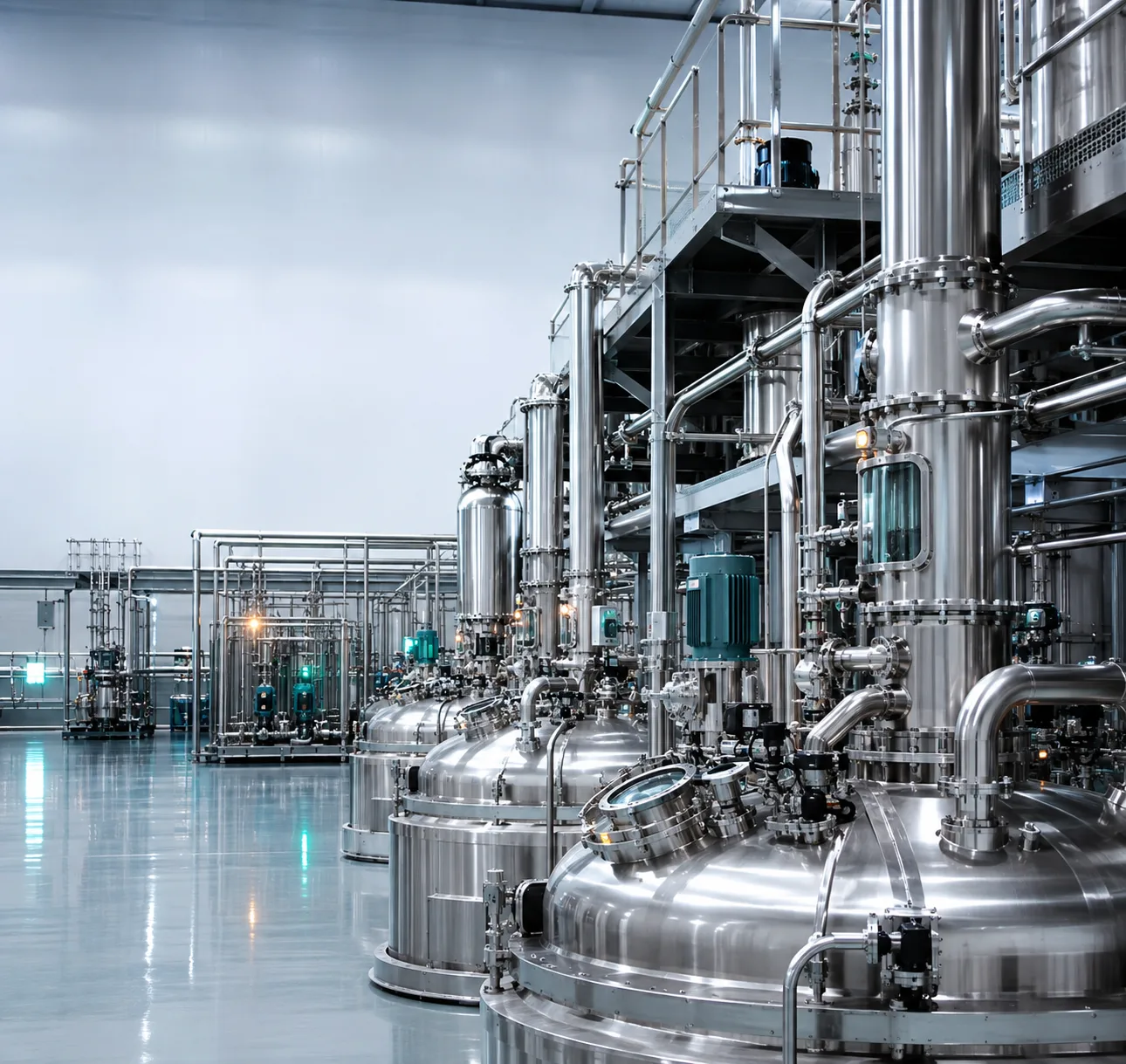
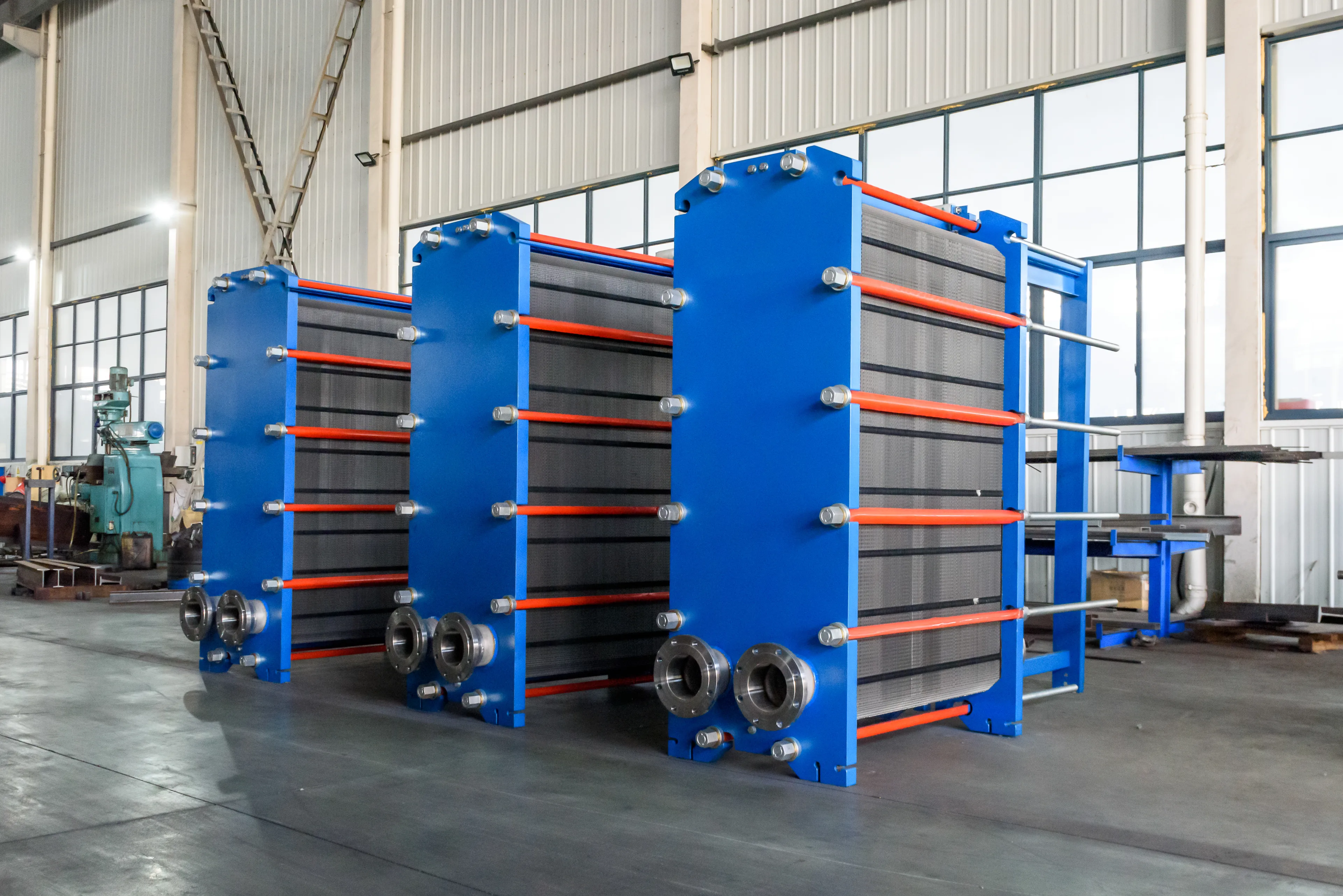
Heat Transfer Challenges in Chemical Processing
Chemical plants handle fluids with widely varying physical and chemical properties. Concentration, temperature, pressure and impurities can substantially change corrosion behavior and thermal performance.
A chemical heat exchanger must therefore be selected according to:
- Chemical composition and concentration
- Operating and design temperatures
- Pressure and vacuum conditions
- Fluid viscosity and density
- Solids and crystal content
- Corrosion and erosion risk
- Allowable pressure drop
- Fouling characteristics
- Leakage and containment requirements
- Cleaning and maintenance procedures
Selecting a heat exchanger by flow rate or connection size alone can result in poor performance, premature corrosion or unsafe operation.
Chemical Plate Heat Exchanger Applications

Sulphuric Acid Production
Sulphuric acid manufacturing requires temperature control across acid circulation, gas-cleaning and heat recovery processes. Depending on acid concentration and operating temperature, plate heat exchangers may be used for: - Circulating liquid cooling - Gas-cooling tower utility circuits - Acid dilution cooling - Product acid cooling - Absorption-system cooling - Process-water heating - Compatible waste heat recovery In boiler-gas purification systems, a plate heat exchanger can cool the circulating medium used by the gas-cooling tower, allowing the coolant to be reused. Sulphuric acid is highly demanding from a corrosion perspective. Material suitability must be evaluated using the actual acid concentration, temperature, velocity and impurity content.
Fertilizer Manufacturing
Fertilizer plants use heat exchangers in ammonia, urea, nitric acid, phosphoric acid and compound fertilizer processes. Typical duties include: - Process solution cooling - Reactor temperature control - Ammonia-water cooling - Urea solution heating or cooling - Condensate heat recovery - Brine cooling - Utility-water isolation Special alloys or welded configurations may be required for corrosive process media.
Chlor-Alkali Processing
Chlor-alkali plants process concentrated brine, caustic soda, chlorine-related fluids and hydrogen-containing streams. Plate heat exchangers can support: - Brine heating and cooling - Caustic solution cooling - Electrolyzer cooling circuits - Process-water heating - Closed-loop utility cooling - Compatible heat recovery Material selection is particularly important because chlorides and concentrated alkaline solutions can attack unsuitable metals.
Fine and Specialty Chemicals
Fine chemical production frequently involves batch reactors and temperature-sensitive processes. Plate heat exchangers provide rapid thermal response for: - Reactor jacket circuits - Batch heating and cooling - Solvent cooling - Product temperature control - Intermediate cooling - Utility-water isolation Low internal volume allows the system to respond quickly when the process changes from heating to cooling.
Solvent Processing and Recovery
Organic solvents may require cooling, heating or vapor condensation. The exchanger configuration must account for flammability, volatility, sealing compatibility and required pressure containment. Semi-welded or fully welded designs may be preferred when gasket compatibility or leakage control is a major concern.
Polymer and Resin Production
Polymer and resin processes can involve high-viscosity fluids and increasing viscosity during reaction. Plate heat exchangers may be used in secondary thermal-fluid loops, raw-material heating and compatible product-cooling duties. Wide channels can help accommodate viscous products, but polymerization and hardening risks must be carefully evaluated.
Related Products
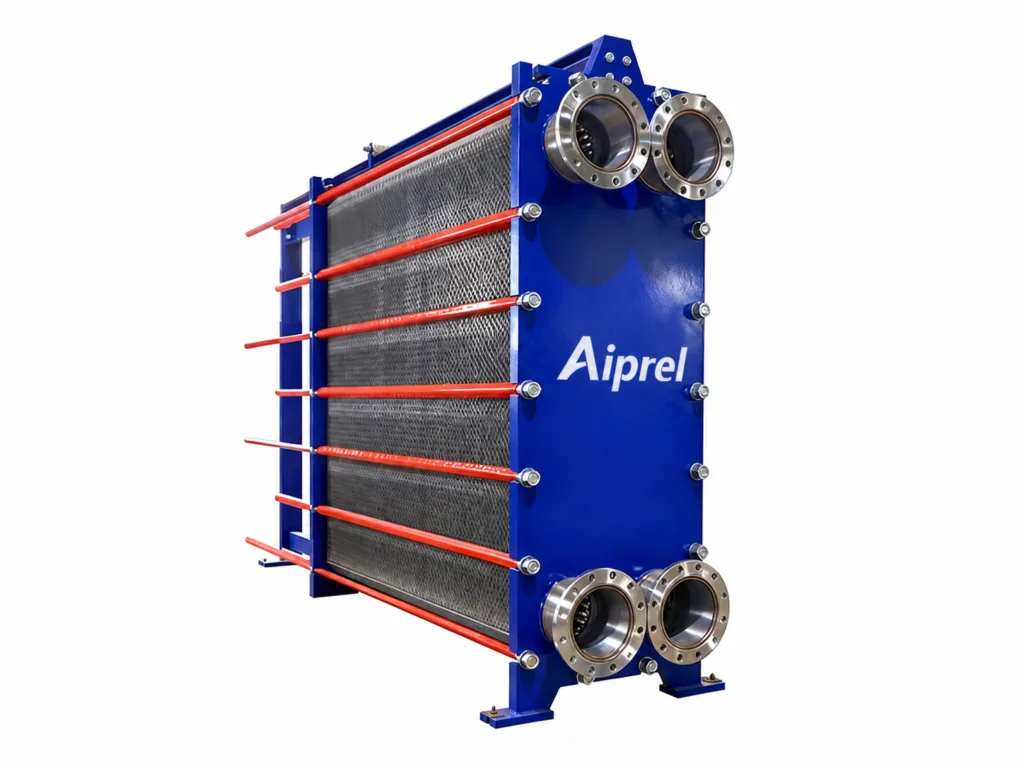
Wide-Gap Plate Heat Exchanger
Wide-Gap plate heat exchanger is a removable plate-and-frame heat exchanger with larger plate spacing and specially designed flow passages.
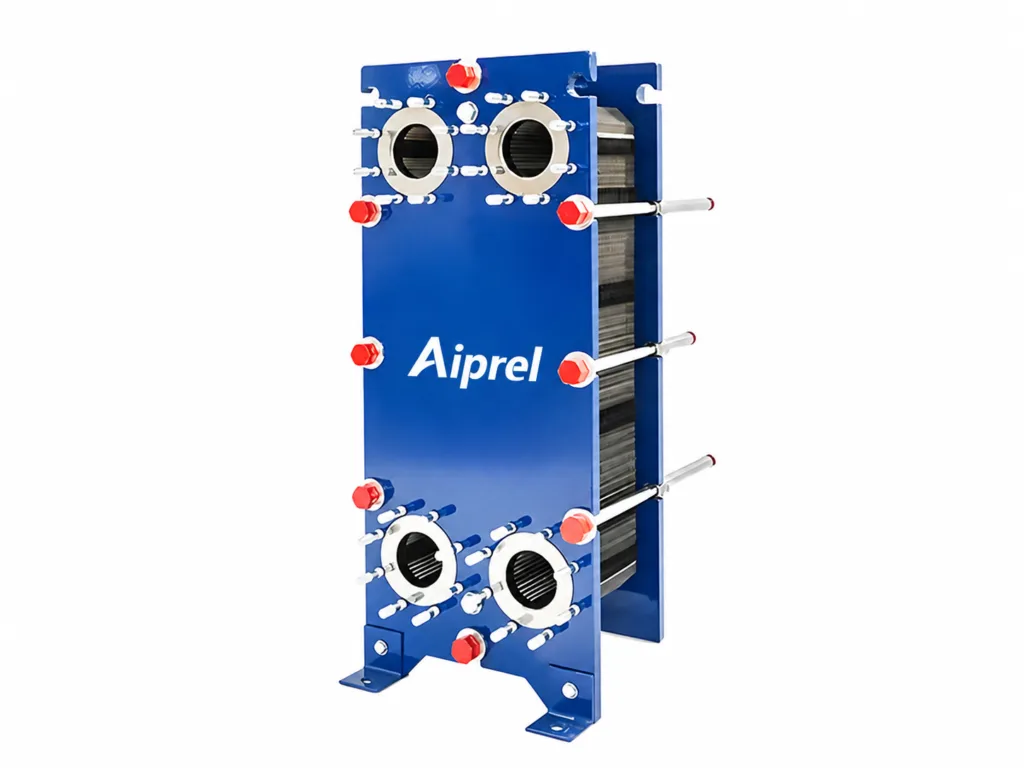
Semi-Welded Plate Heat Exchanger
The Aiprel semi-welded plate heat exchanger combines the serviceability of a gasketed plate-and-frame unit with the enhanced sealing of welded plate cassettes. It is designed for processes where one medium is corrosive, hazardous, at an elevated temperature or otherwise difficult to contain with a conventional fully gasketed plate pack.
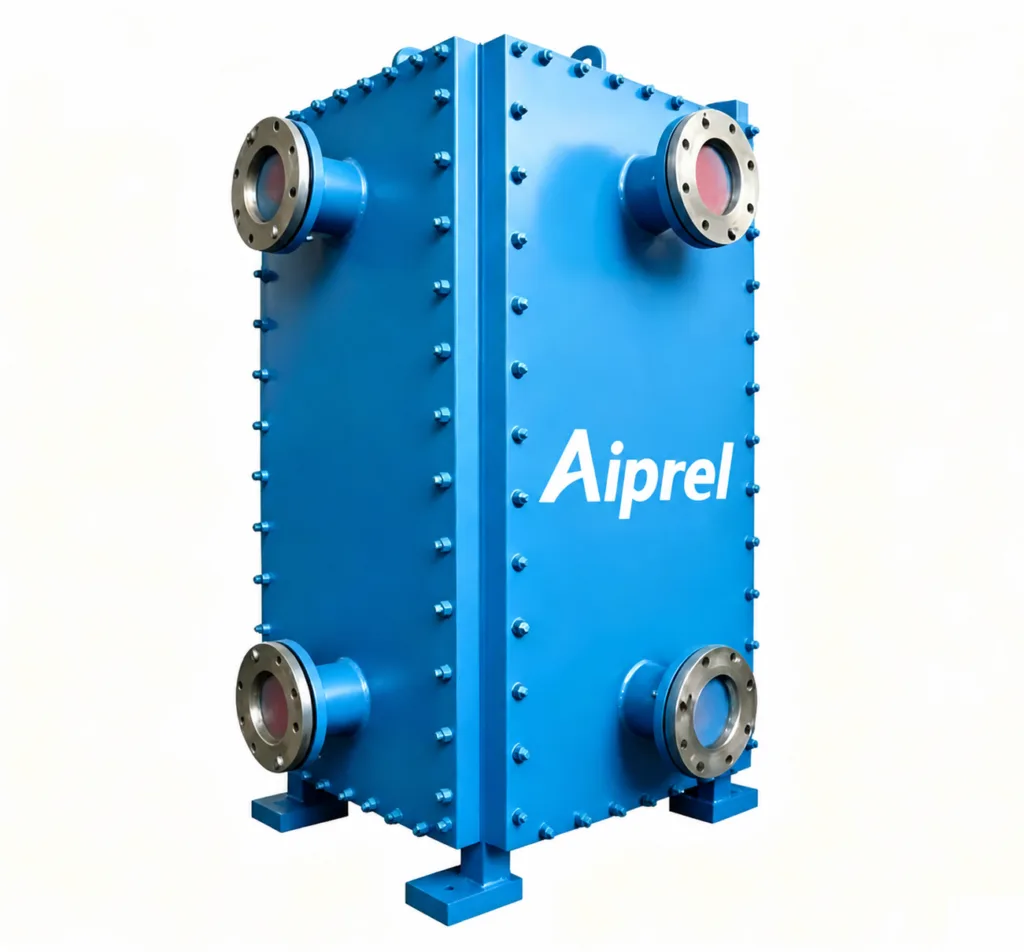
Fully Welded Plate Frame Heat Exchanger
Aiprel fully welded plate-and-frame heat exchangers deliver efficient heat transfer under high-temperature, high-pressure and corrosive process conditions.
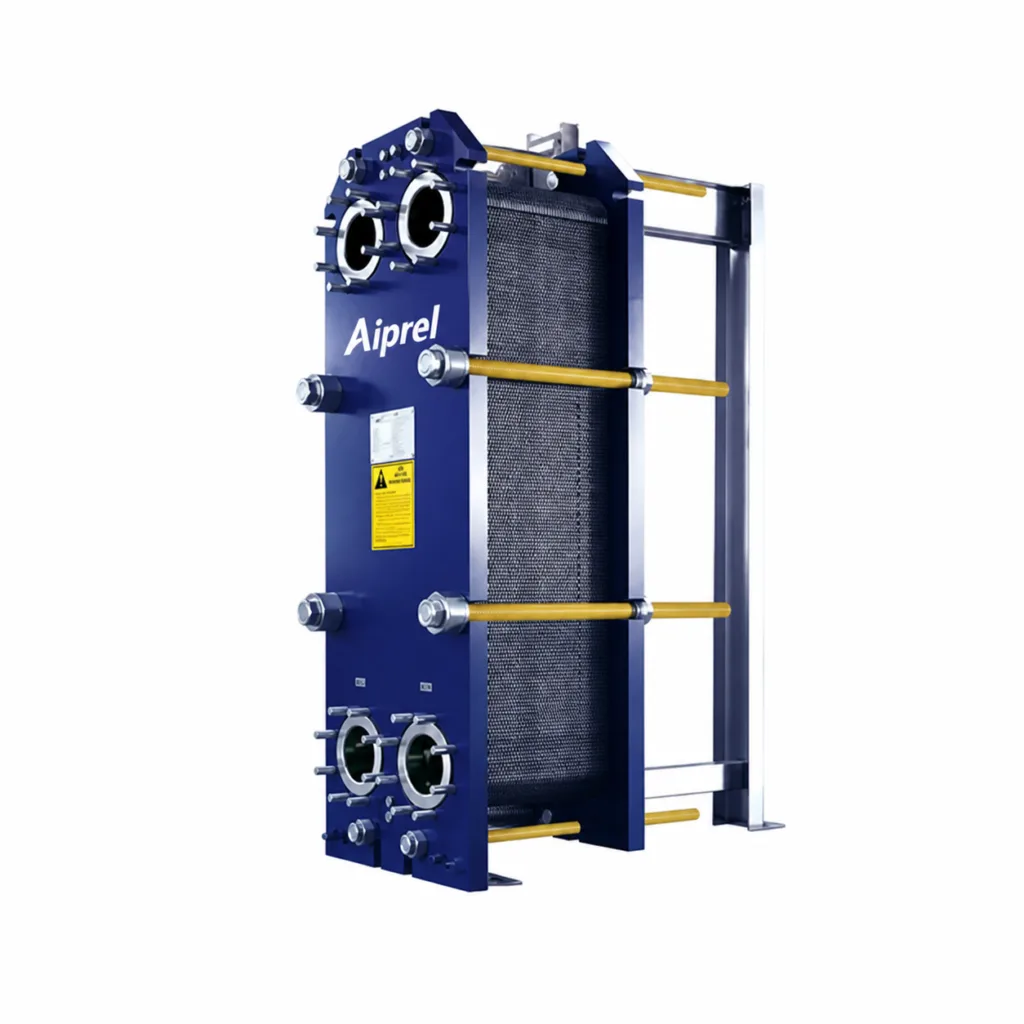
Gasketed Plate Heat Exchanger
Aiprel gasketed plate heat exchangers deliver efficient heat transfer, compact construction, flexible capacity and easy cleaning for industrial applications.