Plate Heat Exchangers for Biotech and Pharmaceutical Processing
Biotechnology and pharmaceutical production depend on stable temperatures, controlled utilities and repeatable process conditions. Heat must be added or removed during fermentation, media preparation, purification, cleaning and many supporting operations—often within limited plant space and under strict contamination-control procedures.

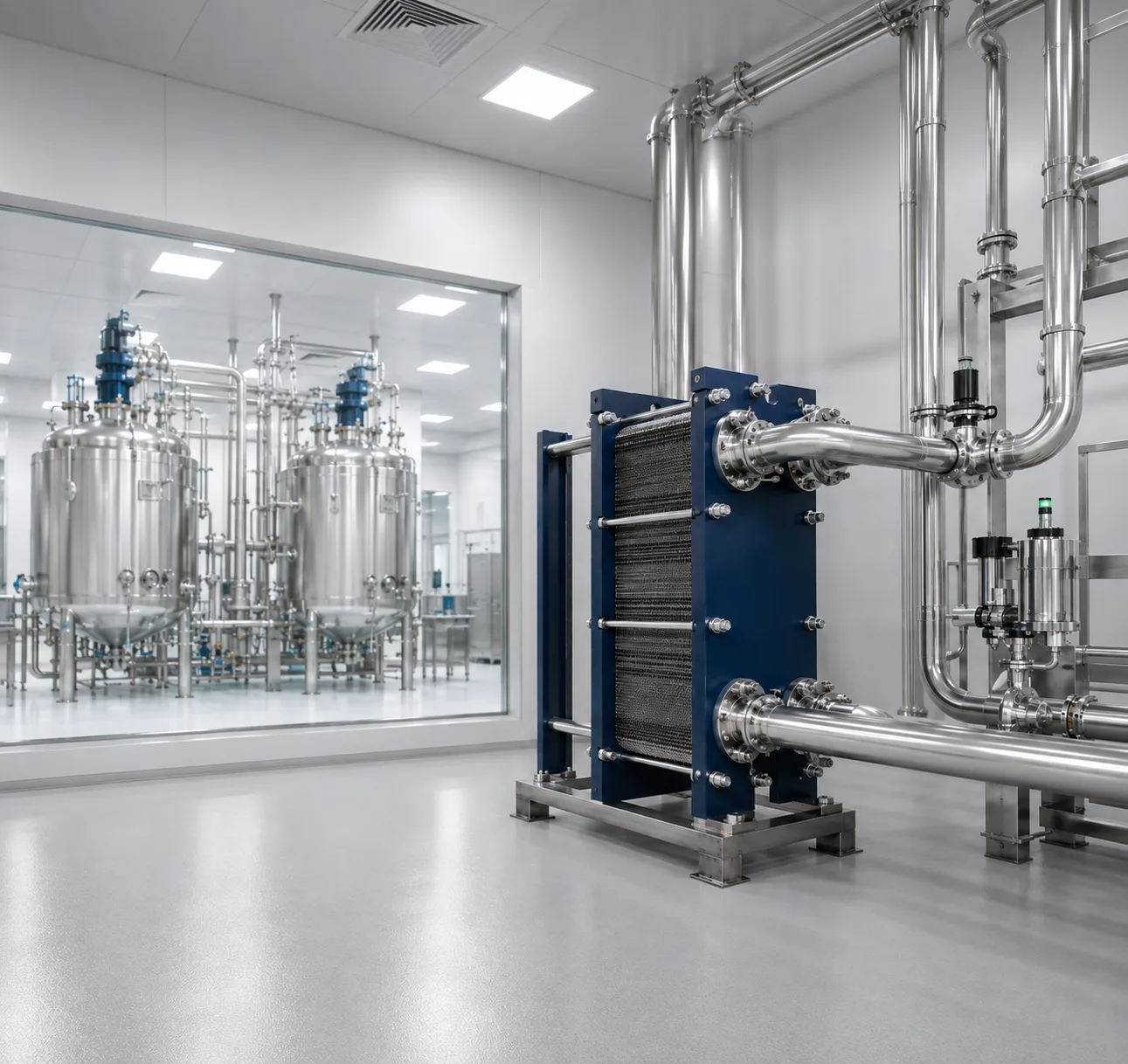
How a Plate Heat Exchanger Supports Process Temperature Control
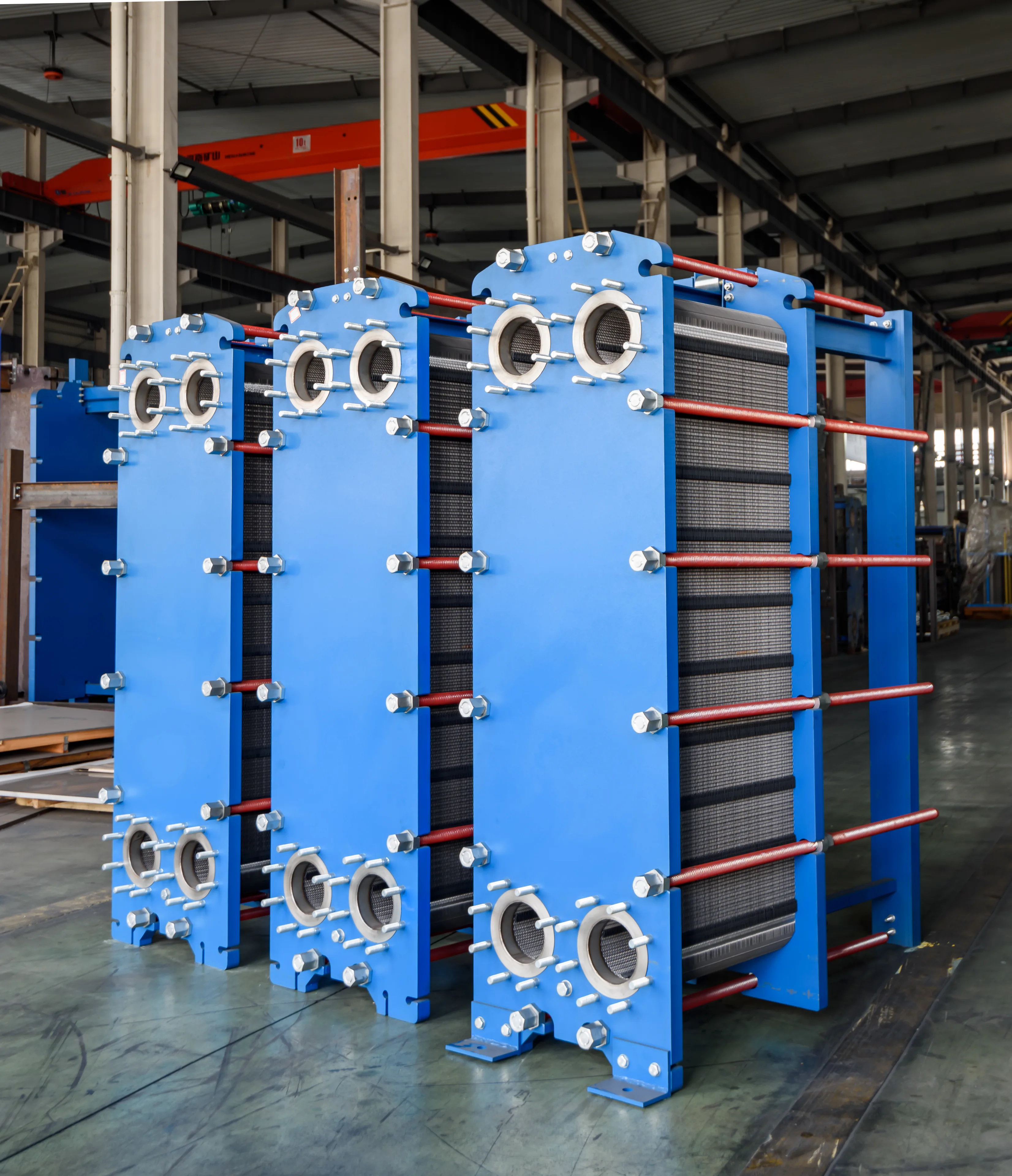
Ports in the plate pack direct the two fluids through separate alternating channels. Heat passes through the thin plate walls from the warmer fluid to the cooler one.
Corrugated plates increase the available heat transfer surface and promote turbulent flow. A counter-current arrangement maintains an effective temperature difference through the exchanger, supporting close temperature approaches and responsive control.
The final performance depends on:
- Flow rate on both sides
- Inlet and required outlet temperatures
- Fluid viscosity, density and heat capacity
- Plate pattern and channel gap
- Allowable pressure drop
- Fouling behavior
- Cleaning method
- Required control accuracy
Biological fluids can be sensitive to shear, temperature exposure and deposits. These characteristics must be discussed during selection rather than treated as standard water service.
Biotech and Pharmaceutical Applications

Bioreactor and Fermenter Temperature Control
Cell growth and fermentation generate heat, and many biological processes must remain within a controlled temperature range. A plate heat exchanger can transfer heat between the equipment jacket loop and chilled- or tempered-water utilities.Separating the circuits allows the bioreactor side to maintain its required water quality and control arrangement while the plant utility remains hydraulically independent. The exchanger should be sized for peak metabolic heat generation, startup conditions and the lowest available coolant temperature.
Fermentation Broth Cooling
In compatible processes, a plate heat exchanger may cool fermentation broth or an intermediate loop serving the fermenter. The design must consider viscosity, suspended biomass, solids, shear sensitivity and fouling.When direct product contact is proposed, the required hygienic design, cleanability, surface finish and documentation must be confirmed. A standard industrial plate heat exchanger should not automatically be described as suitable for sterile broth.
Media and Buffer Temperature Adjustment
Process media and buffers often need controlled heating or cooling before they enter a production step. A plate heat exchanger can provide rapid temperature adjustment using hot water, chilled water or another compatible utility.Fluid composition, solids, concentration and contamination risk determine whether direct processing is appropriate. For high-value batches, the effects of hold-up volume, product recovery and cleaning should be evaluated with the thermal duty.
Purified-Water Utility Loops
Plate heat exchangers may be used to heat or cool compatible purified-water circuits or to transfer energy between a purified-water loop and a separate plant utility.The precise application determines the construction required. If the exchanger contacts purified water directly, the project team should specify material grade, surface requirements, drainability, gasket requirements, documentation and sanitization conditions. These features must be verified in Aiprel's final technical proposal.
Pharmaceutical Process Cooling
Reactors, mixers, homogenizers, compressors and other production equipment can generate heat that must be removed reliably. A plate heat exchanger can isolate a clean equipment loop from the central chilled-water or cooling-water network.This arrangement protects critical equipment from changes in facility-water quality and allows different pressures or glycol concentrations on each side. It can also simplify expansion when a new process suite is connected to an existing utility plant.
Heating and Cooling of Compatible Process Liquids
Gasketed or welded plate heat exchangers can be considered for compatible liquid heating and cooling duties involving intermediates, solvents or chemical solutions.Product chemistry is the starting point for selection. Temperature, concentration, viscosity, corrosion behavior, flammability and leak consequences influence the choice of plate material, sealing method and exchanger construction.
Solvent and Aggressive-Media Duties
Some pharmaceutical processes involve solvents or chemicals that are unsuitable for conventional elastomer gaskets. Aiprel's welded plate-and-frame heat exchangers eliminate channel gaskets from the welded plate pack and may be considered for higher-temperature, higher-pressure or gasket-incompatible duties.A welded construction does not remove the need for a complete safety review. Materials, welding, pressure design, inspection and maintenance access must be matched to the actual medium and applicable project requirements.
HVAC and Cleanroom Utility Separation
Pharmaceutical facilities rely on stable HVAC operation for production suites, laboratories, storage areas and controlled environments. A plate heat exchanger can isolate chilled-water, hot-water or heat-recovery loops serving these areas.Hydraulic separation protects equipment, supports pressure zoning and allows the cleanroom utility circuit to use its own water treatment and pump controls. This is a utility application and should not be confused with equipment designed for direct sterile-product contact.
Related Products
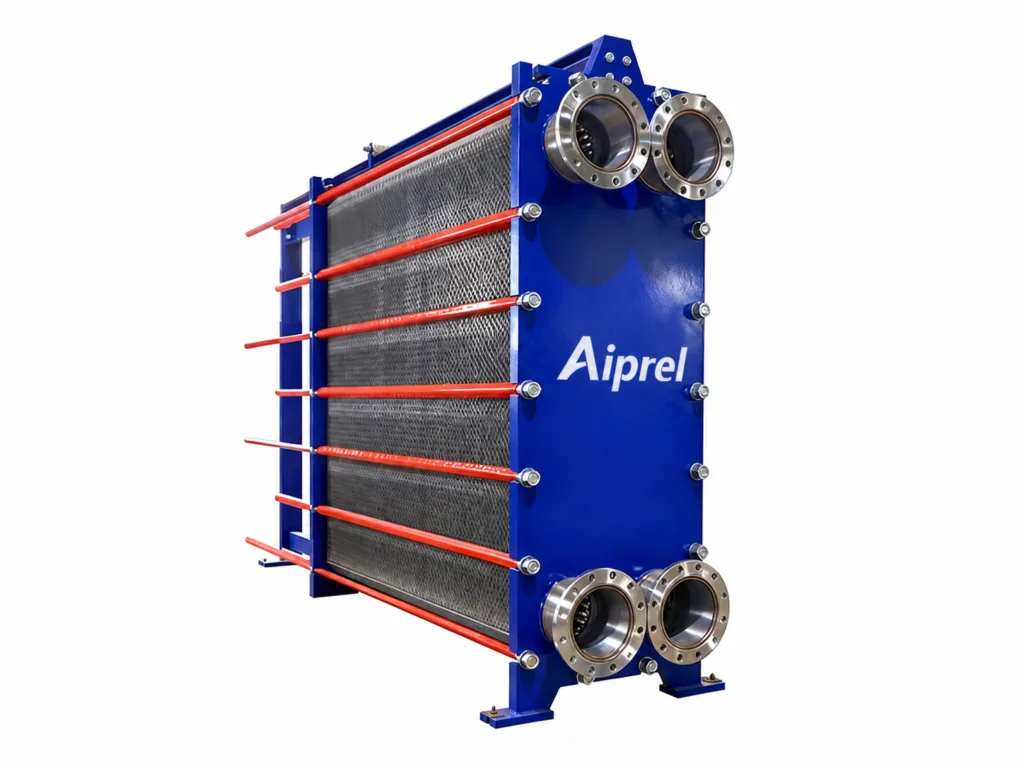
Wide-Gap Plate Heat Exchanger
Wide-Gap plate heat exchanger is a removable plate-and-frame heat exchanger with larger plate spacing and specially designed flow passages.
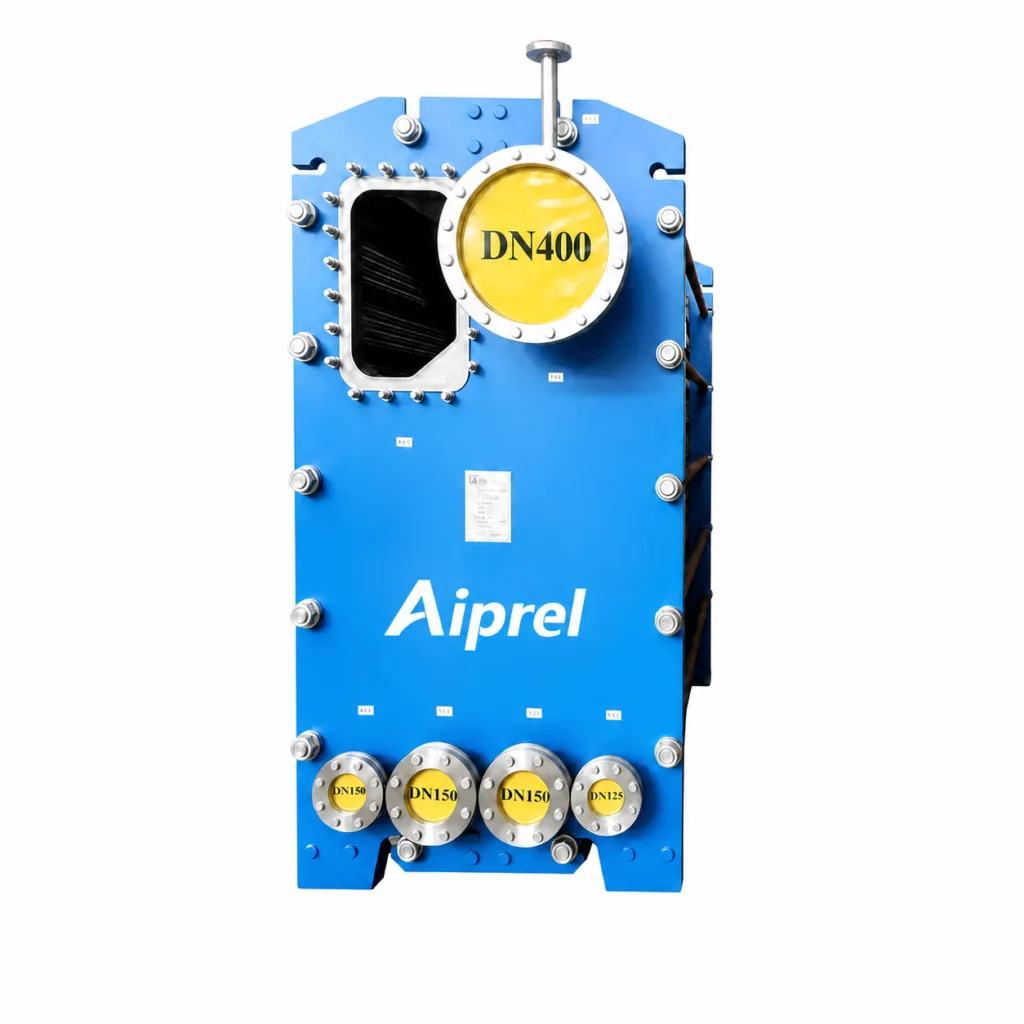
Plate Evaporator
Plate evaporators are especially effective for free-flowing liquids with low to moderate viscosity and relatively uniform boiling behavior.They may also be used for selected higher-concentration products, provided that the final viscosity and fouling characteristics remain compatible with the plate channel design.
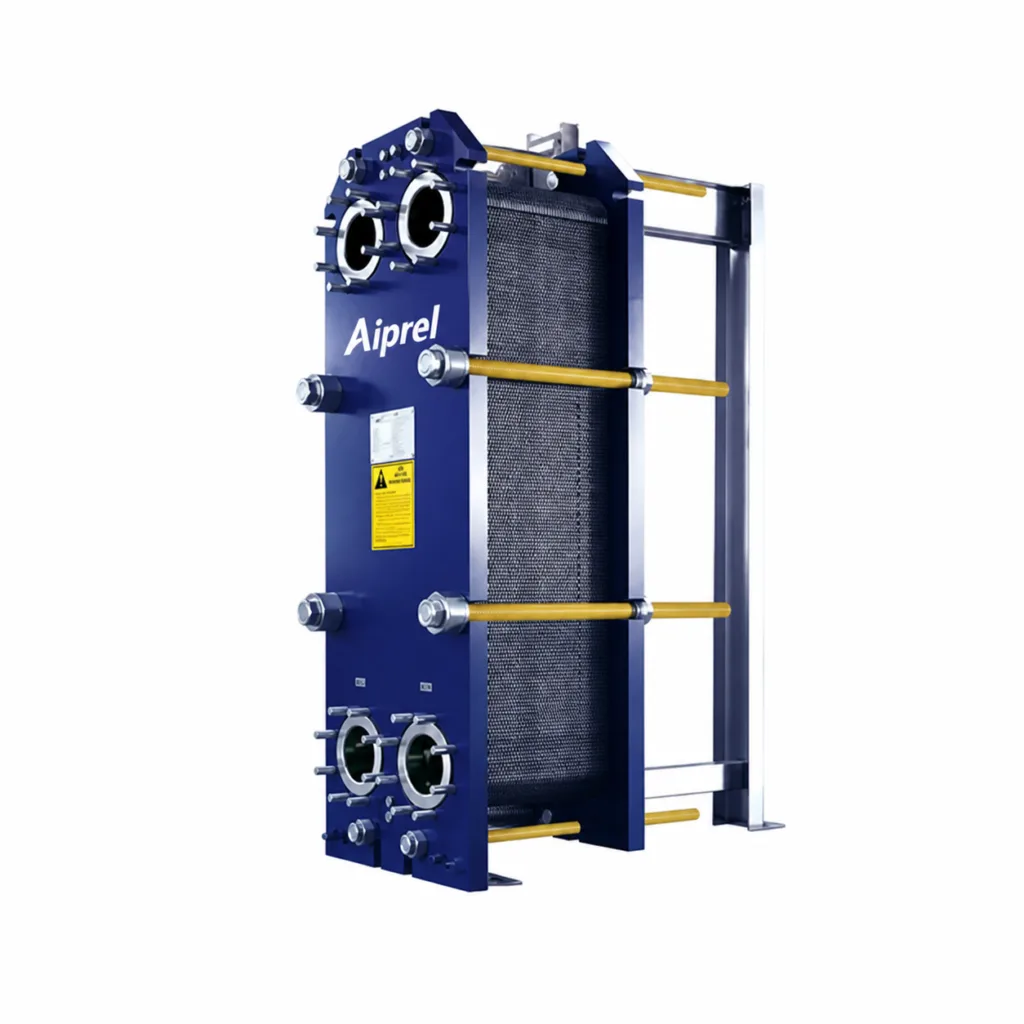
Gasketed Plate Heat Exchanger
Aiprel gasketed plate heat exchangers deliver efficient heat transfer, compact construction, flexible capacity and easy cleaning for industrial applications.
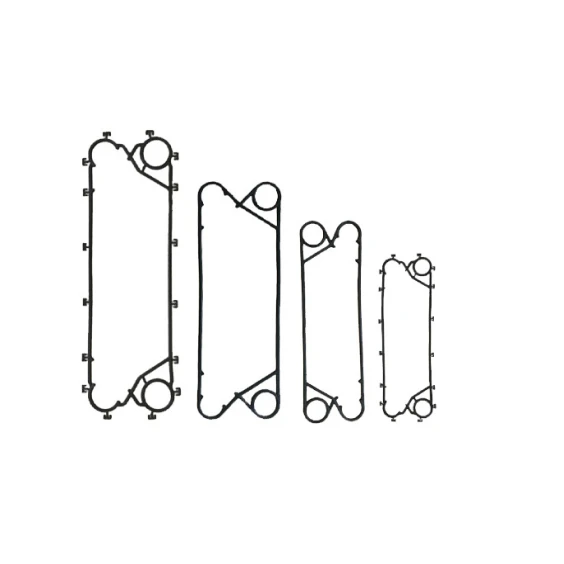
Heat Exchanger Gaskets
Aiprel plate heat exchanger gaskets provide reliable sealing and correct fluid distribution within gasketed plate-and-frame heat exchangers.