Plate Heat Exchanger for Power Plant
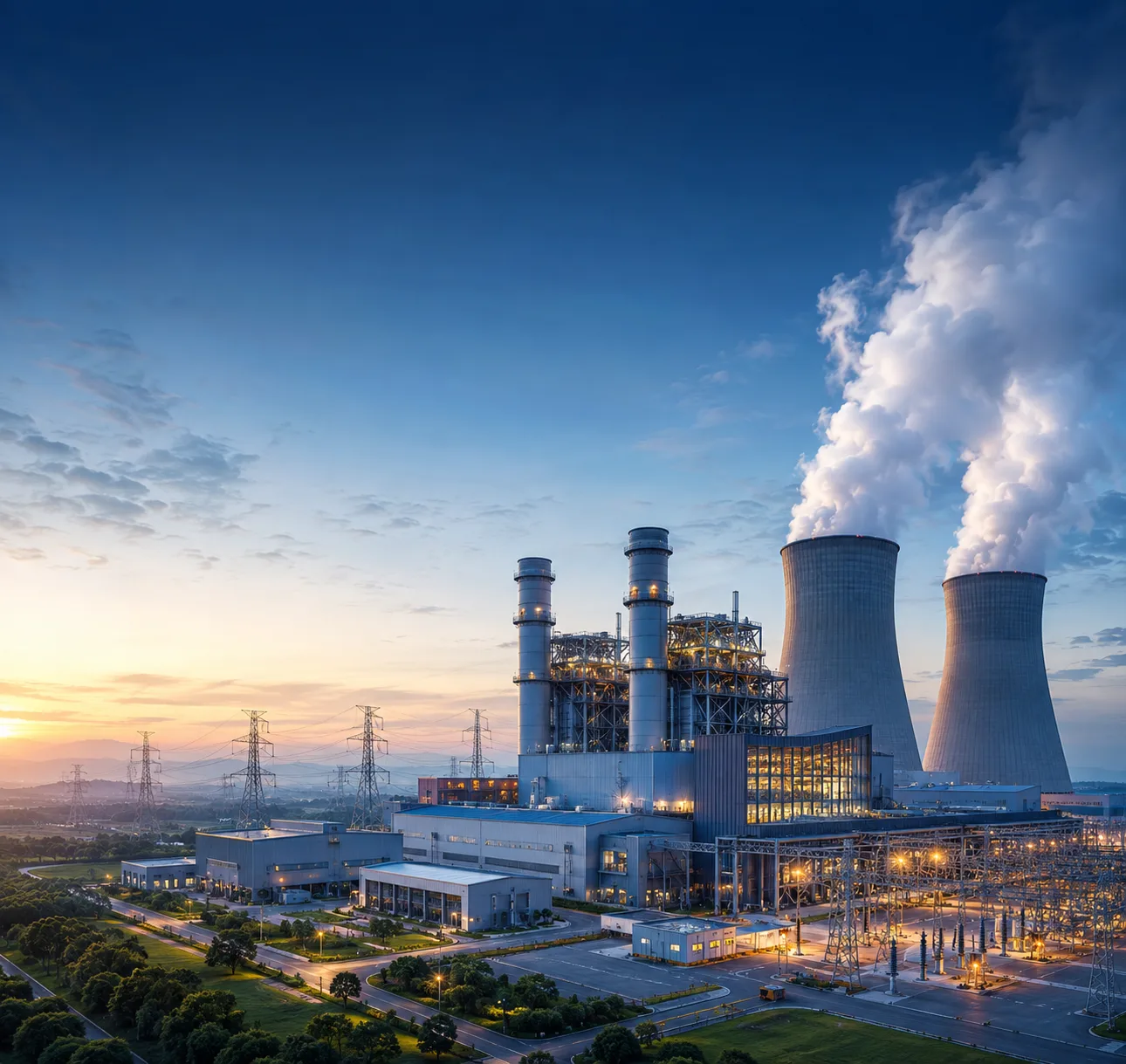
Aiprel supplies plate heat exchangers for power plant cooling, turbine oil cooling, closed-water circuits, CHP systems and industrial heat recovery.

Why Choose Aiprel?
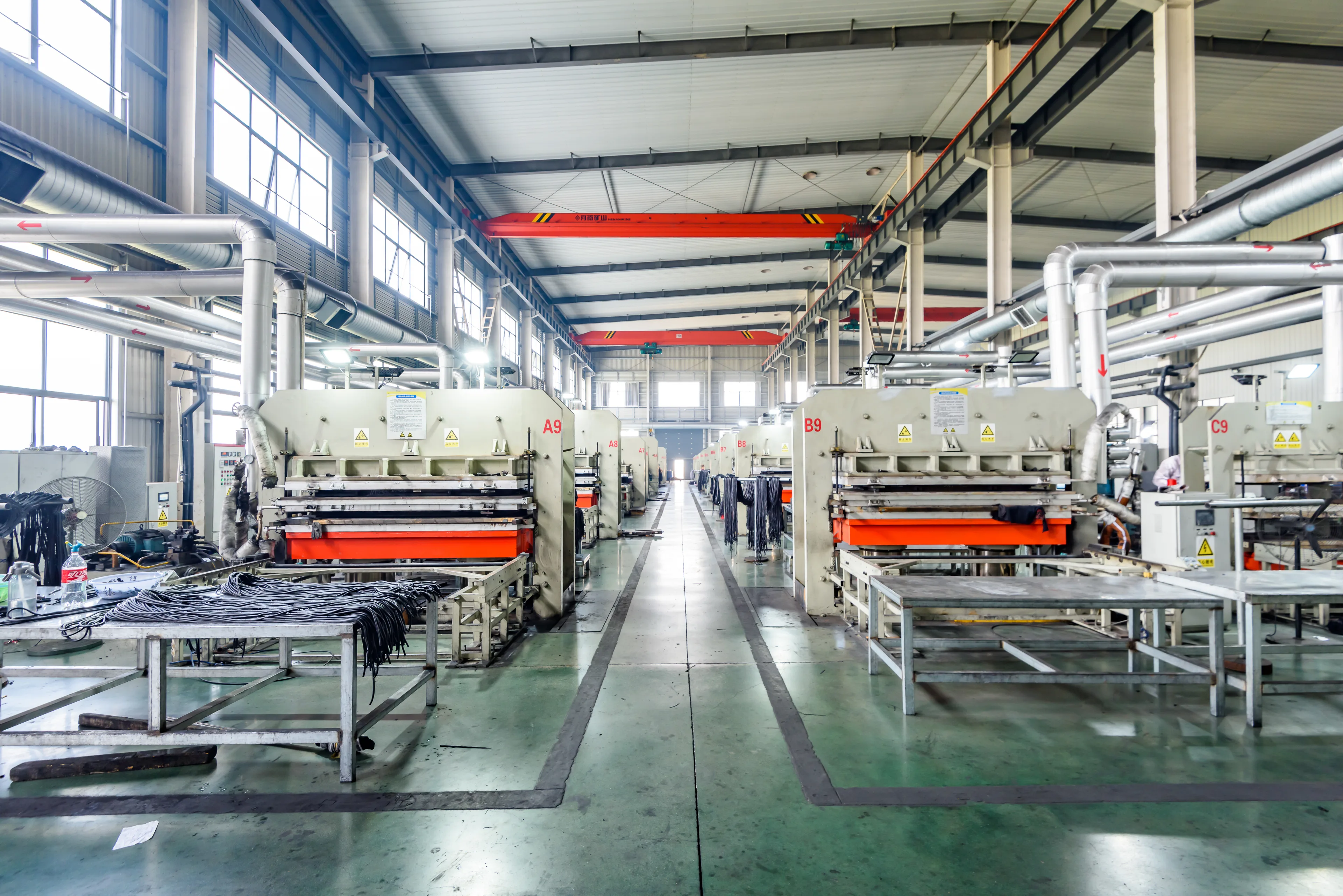
Aiprel provides customized plate heat exchanger solutions based on actual heat loads, fluid properties, flow rates, temperatures, pressure-drop limits and installation conditions. With gasketed, welded and wide-channel configurations available, we can meet different power plant cooling and heat recovery requirements. Our in-house manufacturing capabilities cover complete heat exchangers, heat transfer plates and gaskets, supporting consistent quality throughout production, assembly and testing. We also supply replacement plates and gaskets for Aiprel equipment and numerous commonly used plate heat exchanger models, helping power plants simplify maintenance and reduce downtime.
Power Plant Heat Exchanger Applications

Closed-Loop Cooling Water
Closed-loop cooling systems supply treated water to turbines, generators, pumps, compressors and other essential equipment. A plate heat exchanger transfers heat from the clean internal circuit to an external cooling-water system while preventing the fluids from mixing. This separation helps protect critical equipment from contamination, corrosion and variations in external water quality.
Turbine Lubricating Oil Cooling
Steam and gas turbines require lubricating oil at a controlled temperature and viscosity. Excessive oil temperature can reduce lubrication performance and affect the reliability of bearings and other rotating components. An Aiprel power plant oil cooler transfers heat from the oil to cooling water while maintaining separation between the circuits.
Generator Cooling
Generators produce heat in their windings, bearings and internal cooling systems. Plate heat exchangers can be used in secondary cooling circuits to remove heat from generator cooling water or another suitable coolant. The required design depends on generator type, cooling load, water quality and redundancy requirements.
Transformer Oil Cooling
Transformer oil absorbs heat generated during electrical operation. A plate heat exchanger may be incorporated into an indirect oil-cooling system to transfer heat to water or another secondary cooling medium. Oil viscosity and allowable pressure drop must be evaluated during equipment selection.
Compressor and Gas Turbine Cooling
Combined-cycle and gas-fired plants use compressors, turbines and auxiliary lubrication systems that require continuous cooling. Plate heat exchangers can support: - Compressor lubricating oil cooling - Gas turbine oil cooling - Seal-water cooling - Auxiliary cooling-water circuits - Intercooler secondary loops - Heat recovery from compatible process fluids
Boiler and Feedwater Systems
Depending on the operating pressure and process arrangement, plate heat exchangers can preheat makeup water, recover heat from condensate or transfer energy between boiler-supporting water circuits. High-pressure steam and boiler duties require careful evaluation. A welded plate heat exchanger or another pressure-rated exchanger may be required instead of a conventional gasketed unit.
Related Products
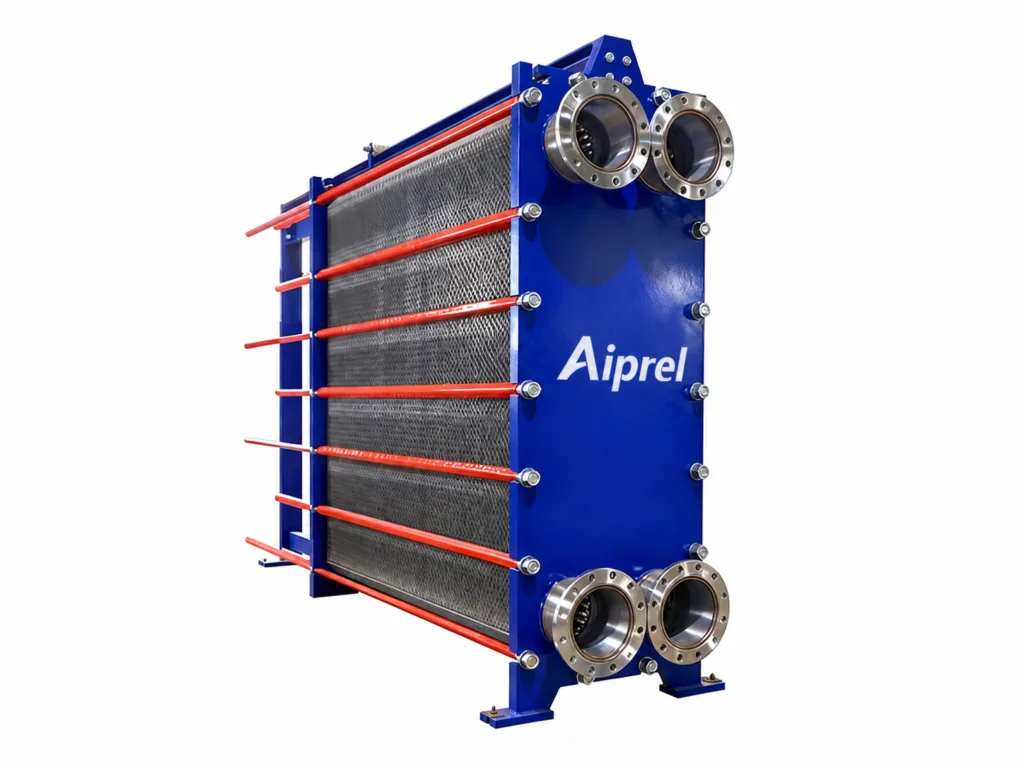
Wide-Gap Plate Heat Exchanger
Wide-Gap plate heat exchanger is a removable plate-and-frame heat exchanger with larger plate spacing and specially designed flow passages.
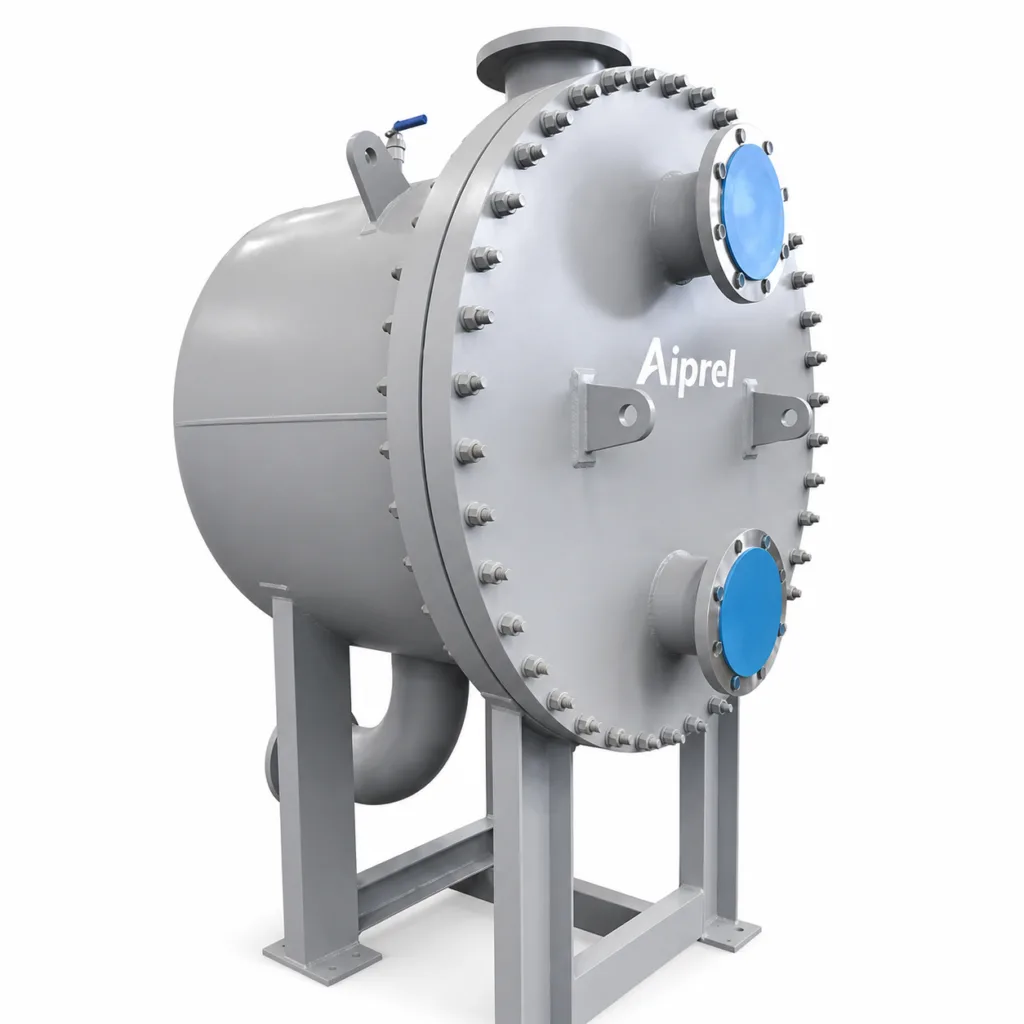
Fully Welded Plate Shell Heat Exchanger
Aiprel fully welded plate and shell heat exchangers combine the high thermal efficiency of plate heat exchanger technology with the mechanical strength of a pressure-vessel shell.
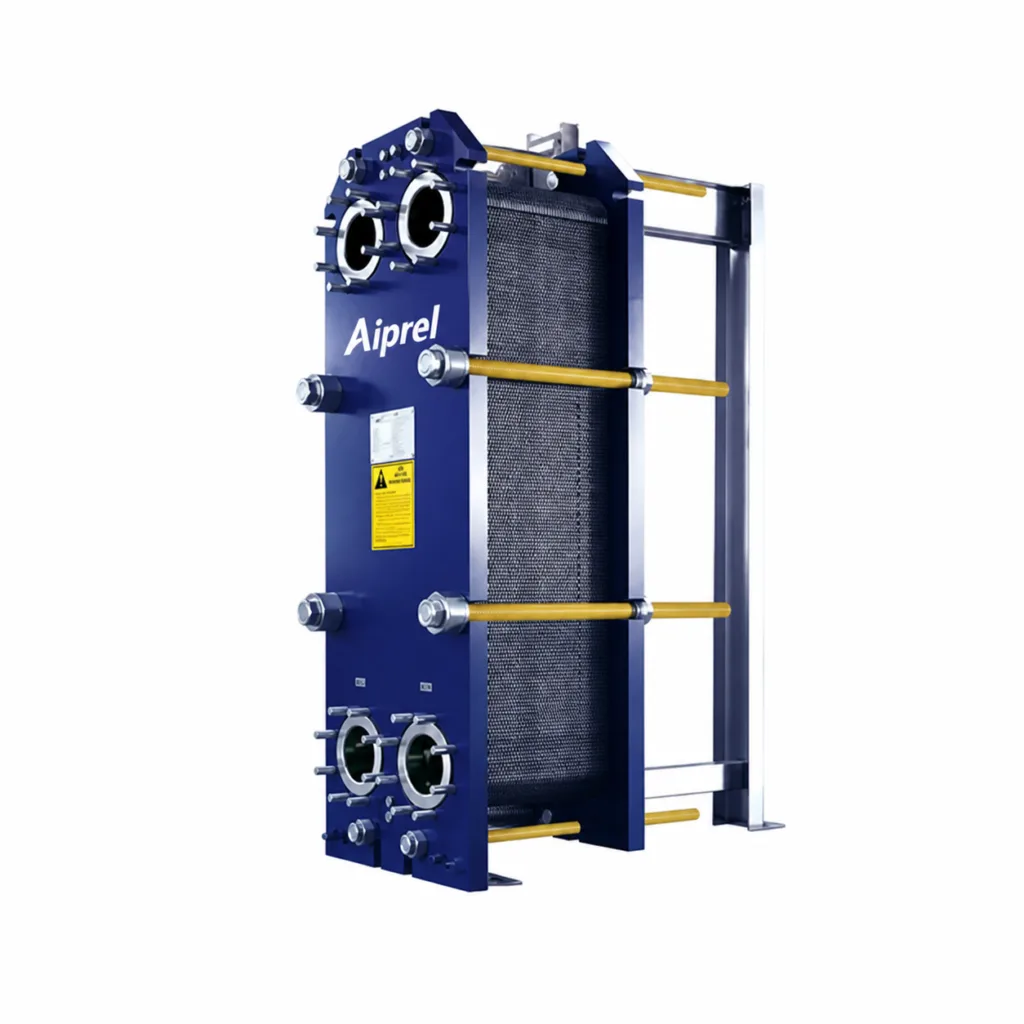
Gasketed Plate Heat Exchanger
Aiprel gasketed plate heat exchangers deliver efficient heat transfer, compact construction, flexible capacity and easy cleaning for industrial applications.
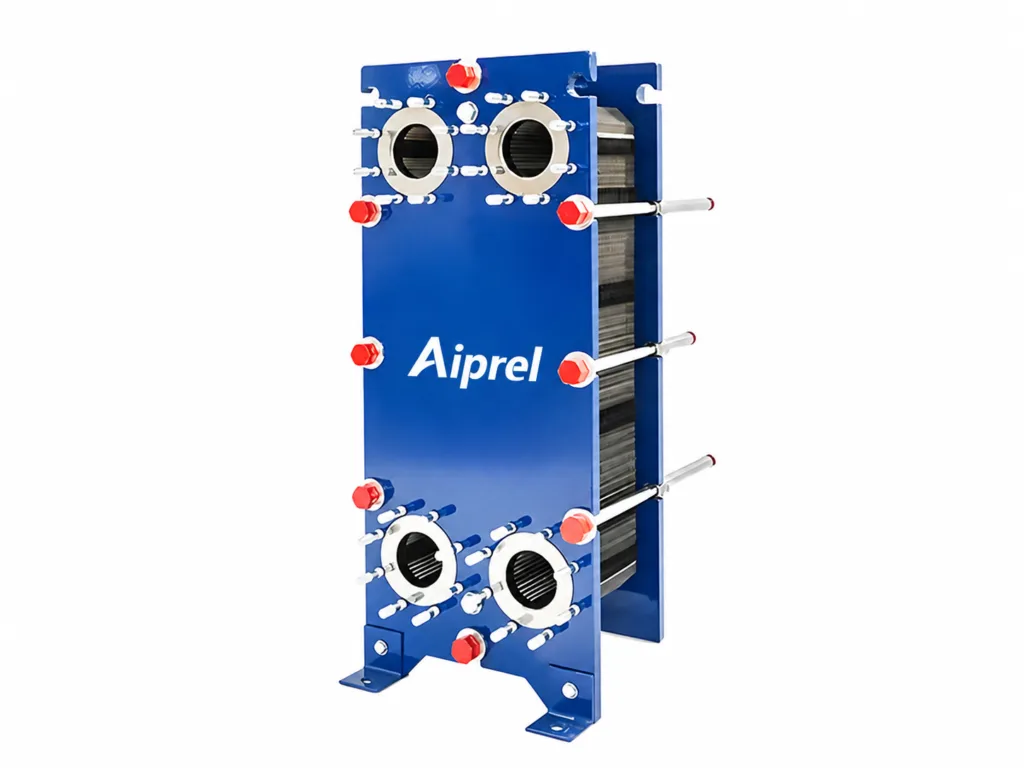
Semi-Welded Plate Heat Exchanger
The Aiprel semi-welded plate heat exchanger combines the serviceability of a gasketed plate-and-frame unit with the enhanced sealing of welded plate cassettes. It is designed for processes where one medium is corrosive, hazardous, at an elevated temperature or otherwise difficult to contain with a conventional fully gasketed plate pack.