Plate Heat Exchangers for Green Hydrogen Production
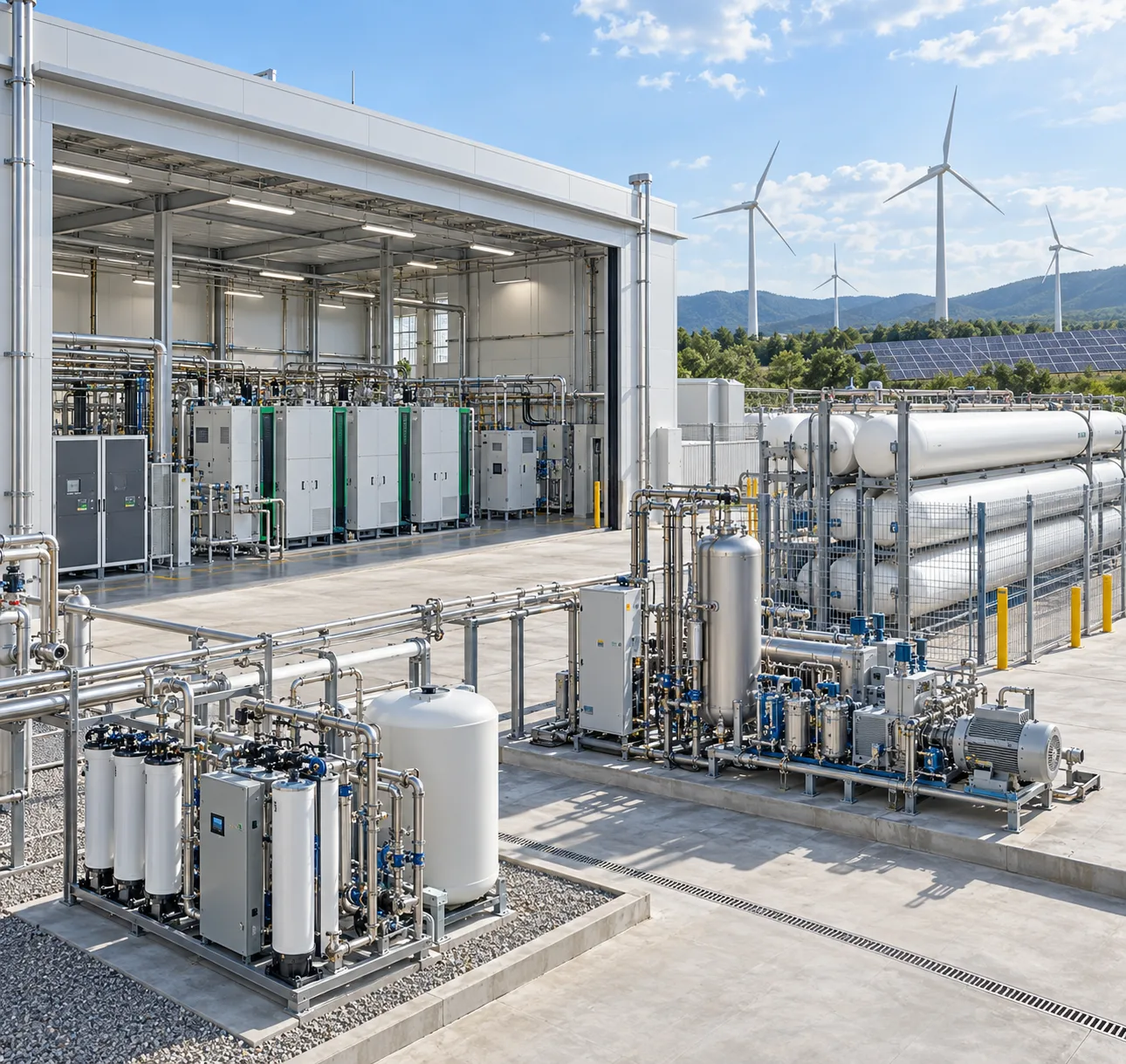
Green hydrogen connects renewable electricity with industrial production, energy storage, transport and Power-to-X processes. Although electrolysis is the central step, a complete plant also depends on water treatment, power conversion, gas processing, compression, storage and utility systems. Each stage has its own heating or cooling requirements.

Aiprel Heat Exchanger Options for HVAC
Gasketed Plate Heat Exchangers
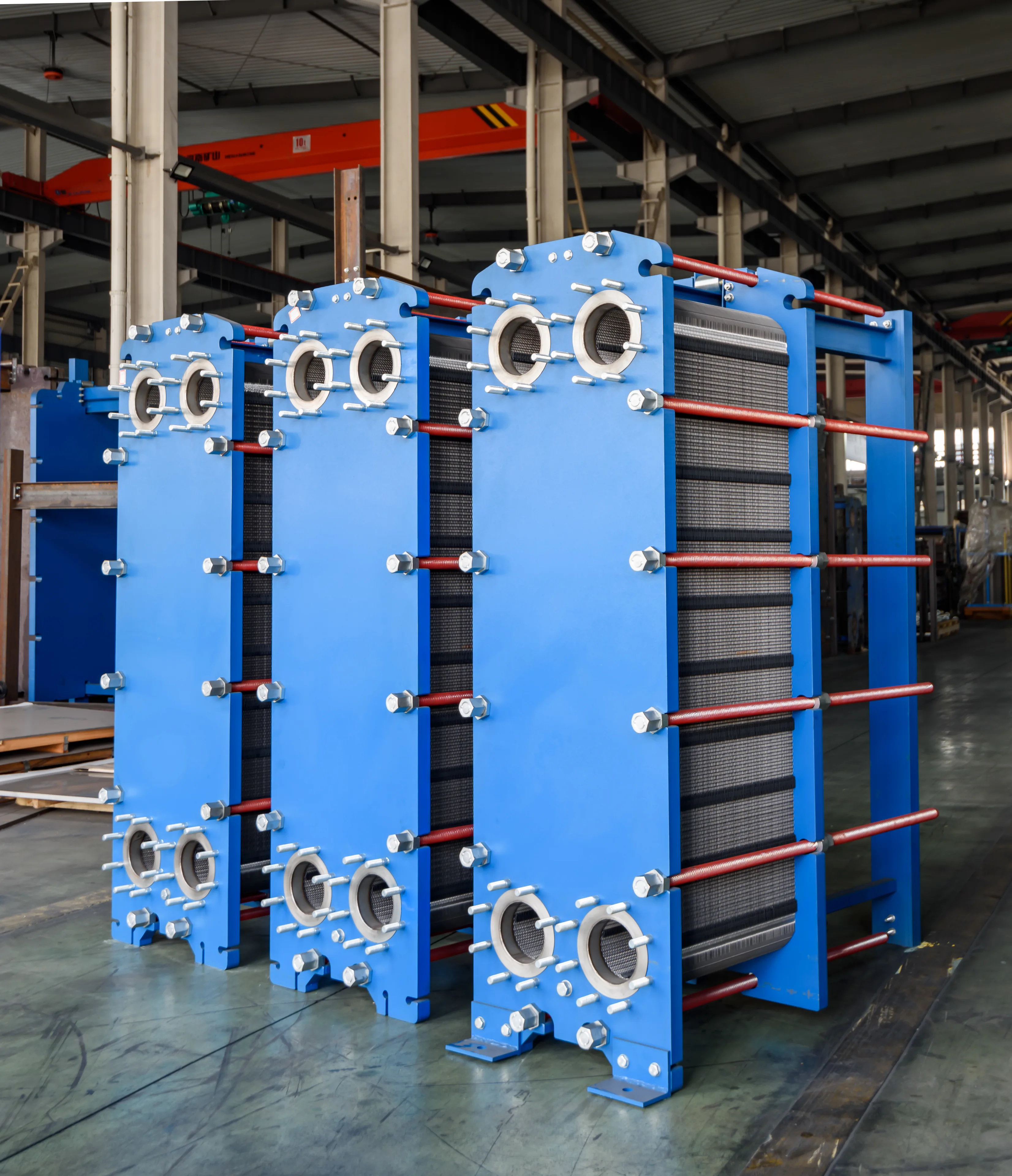
Gasketed plate-and-frame units are well suited to many district heating, district cooling, hydronic separation and heat-recovery applications. Their openable construction supports inspection, cleaning and plate-pack adjustment.
Aiprel's published gasketed range includes:
- APU, APN and APM series
- Connection sizes from DN32 to DN500
- Maximum published design flow of 4,500 m³/h
- Maximum published heat load of 60 MW
- Maximum published design pressure of 3.5 MPa
- Published plate thicknesses of 0.4, 0.5, 0.6 and 0.7 mm
- Multiple plate and gasket material options
These values describe the overall range and may not be available together in a single model. Final specifications must follow the project calculation and approved product drawing.
Green Hydrogen Applications for Plate Heat Exchangers

Electrolyzer Cooling
Electrolysis generates heat that must be removed to keep the system within its specified operating range. A plate heat exchanger can connect an electrolyzer cooling loop to cooling water, chilled water or another compatible secondary circuit while keeping the two fluids separate.The exchanger should be selected for the electrolyzer technology, heat load, flow range, coolant composition, target temperature and allowable pressure drop.
Electrolyte and Process-Liquid Temperature Control
Some electrolyzer designs use circulating process liquids that require temperature control. Where plate technology is compatible with the medium, an exchanger may be used to remove process heat or condition a separate intermediate loop.Chemical composition, concentration, corrosion behavior, gas content and sealing compatibility must be reviewed before materials and construction are selected.
Purified-Water System Cooling
Hydrogen production requires water of a quality appropriate for the selected electrolyzer. Water-treatment packages may include filtration, deionization or other conditioning stages with their own temperature limits.A plate heat exchanger can cool a compatible purified-water or treatment-system loop while isolating it from the plant utility. Wetted materials and water-quality requirements must be confirmed for the exact service.
Power Electronics Cooling
Rectifiers, transformers and power-conversion equipment can generate significant heat as renewable electricity is conditioned for electrolysis. A plate heat exchanger can separate a dedicated equipment-water loop from the site cooling system.This arrangement allows the electrical-equipment circuit to maintain its required water quality, pressure and control settings independently of the facility loop.
Hydrogen Compressor Intercooling and Aftercooling
Compression raises gas temperature, so cooling may be required between compression stages or before downstream treatment and storage. Plate heat exchangers may support compatible compressor cooling-water, oil-cooling or intermediate-loop duties.Any exchanger proposed for direct hydrogen contact requires a separate review of pressure design, materials, sealing, leak risk, cleanliness and applicable codes. A standard gasketed water-to-water unit should not be assumed suitable for compressed hydrogen.
Electrolyzer Heat Recovery
Heat removed from an electrolyzer may be useful elsewhere when its temperature and availability match a nearby demand. A plate heat exchanger can transfer recovered energy to a separate water loop for feedwater preheating, building heating or another compatible low-temperature use.Recovery potential should be assessed across the real operating schedule. Variable renewable generation, part-load operation and seasonal heat demand all affect the practical value of the system.
Power-to-X Process Integration
Green hydrogen can become a feedstock for downstream processes that produce other fuels or chemicals. These Power-to-X systems may require cooling, heating, condensation and heat recovery at several stages.Plate heat exchangers can be evaluated for compatible liquid and utility duties within the process. Each service should be specified individually because temperature, pressure, phase and chemical compatibility can vary widely across the plant.
Fuel Cell Thermal Management
Fuel cells convert hydrogen-based fuels back into electrical power and generate heat in the process. A plate heat exchanger can support cooling loops or transfer recoverable heat to a separate heating circuit.System design must reflect the fuel-cell technology, coolant requirements, operating temperature and expected load variation.
Related Products
Wide-Gap Plate Heat Exchanger
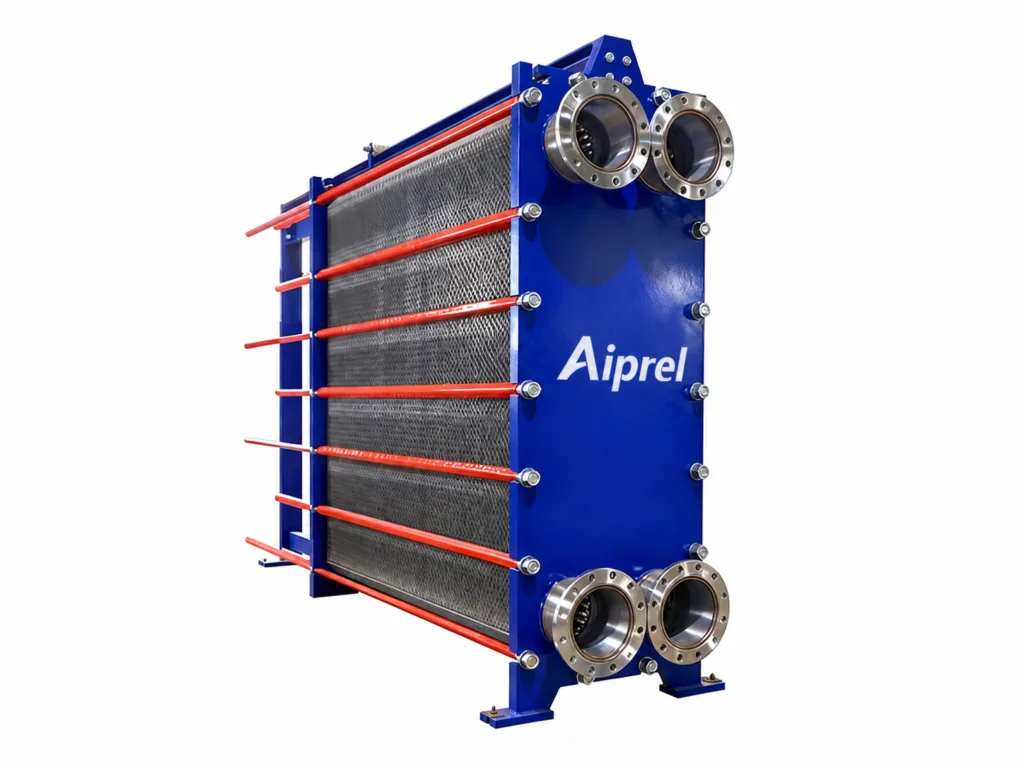
Wide-Gap plate heat exchanger is a removable plate-and-frame heat exchanger with larger plate spacing and specially designed flow passages.
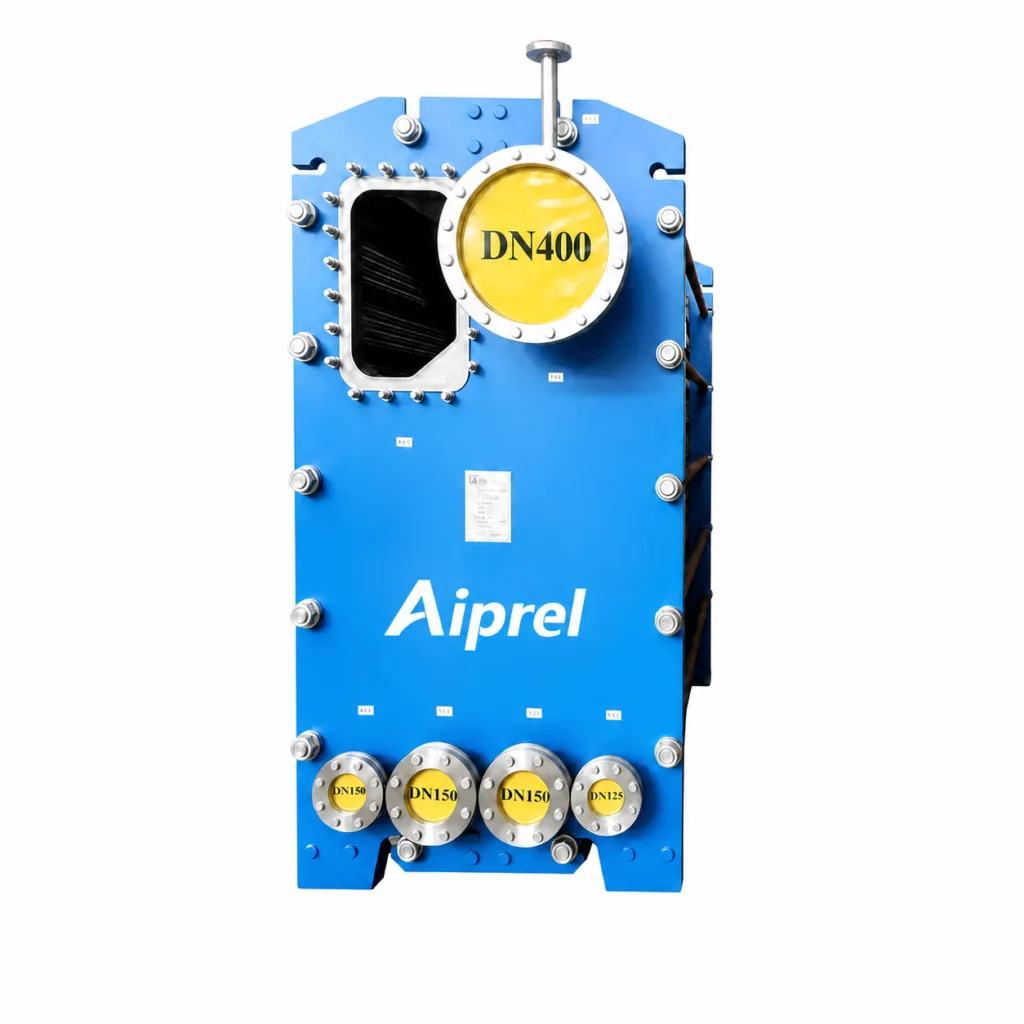
Plate Evaporator
Plate evaporators are especially effective for free-flowing liquids with low to moderate viscosity and relatively uniform boiling behavior.They may also be used for selected higher-concentration products, provided that the final viscosity and fouling characteristics remain compatible with the plate channel design.
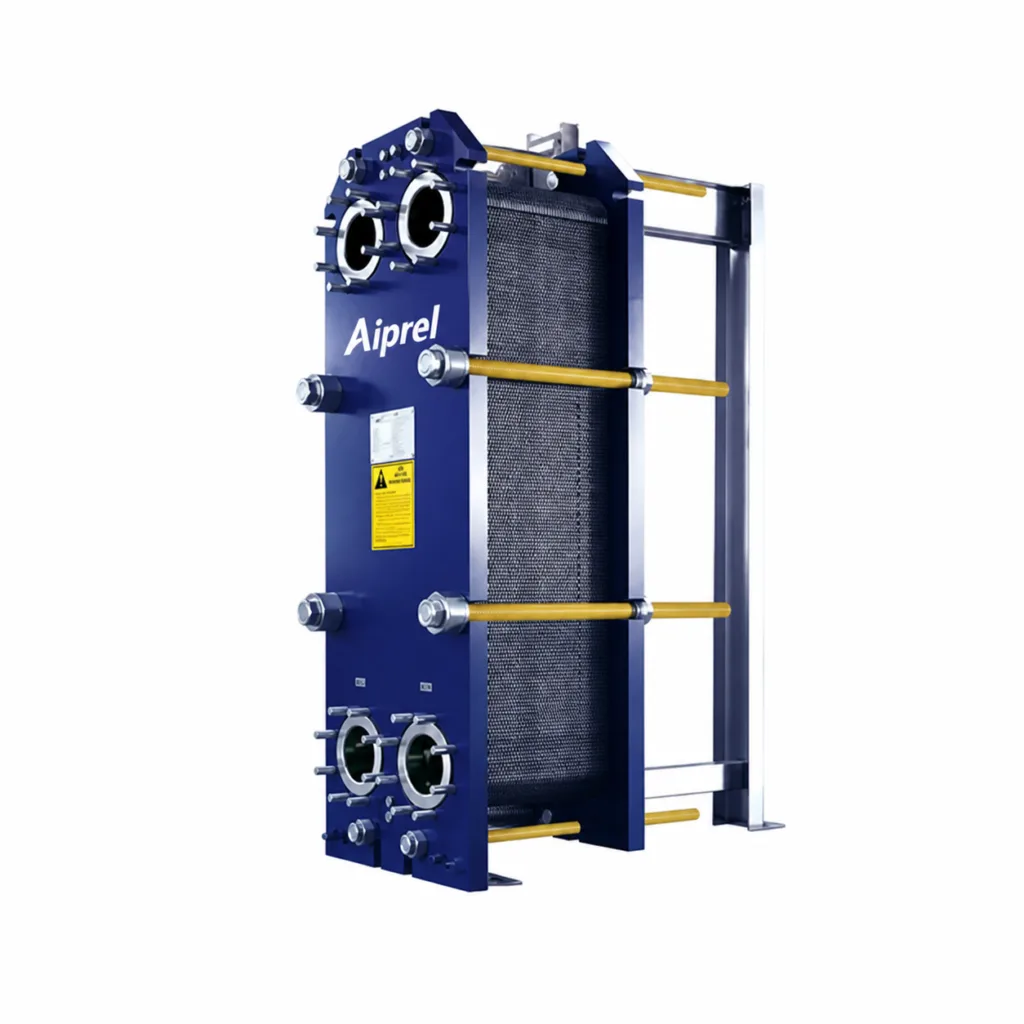
Gasketed Plate Heat Exchanger
Aiprel gasketed plate heat exchangers deliver efficient heat transfer, compact construction, flexible capacity and easy cleaning for industrial applications.
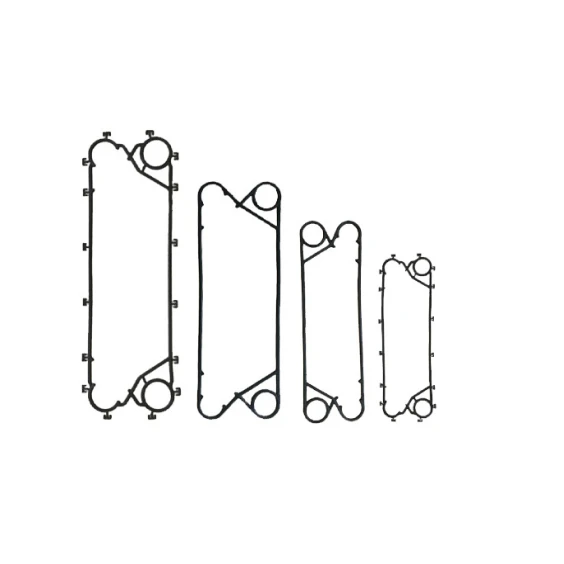
Heat Exchanger Gaskets
Aiprel plate heat exchanger gaskets provide reliable sealing and correct fluid distribution within gasketed plate-and-frame heat exchangers.