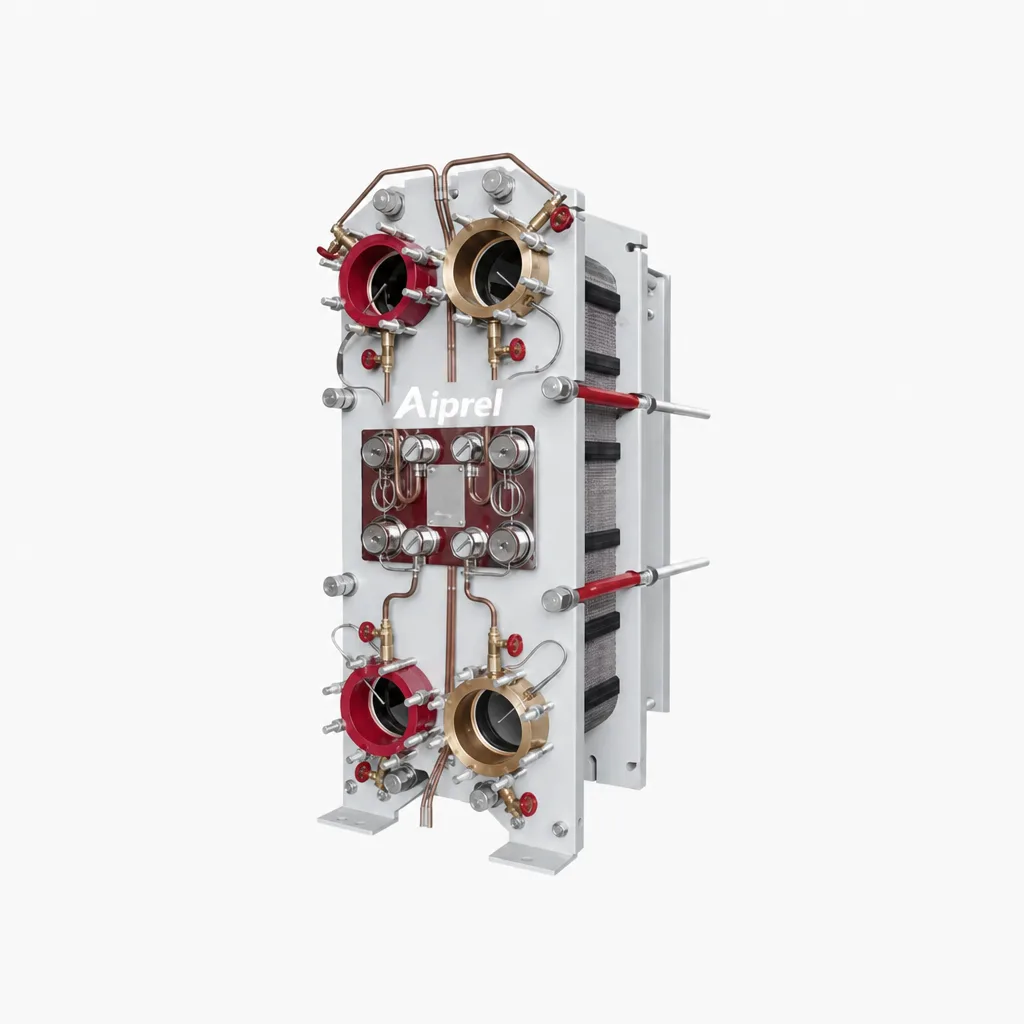
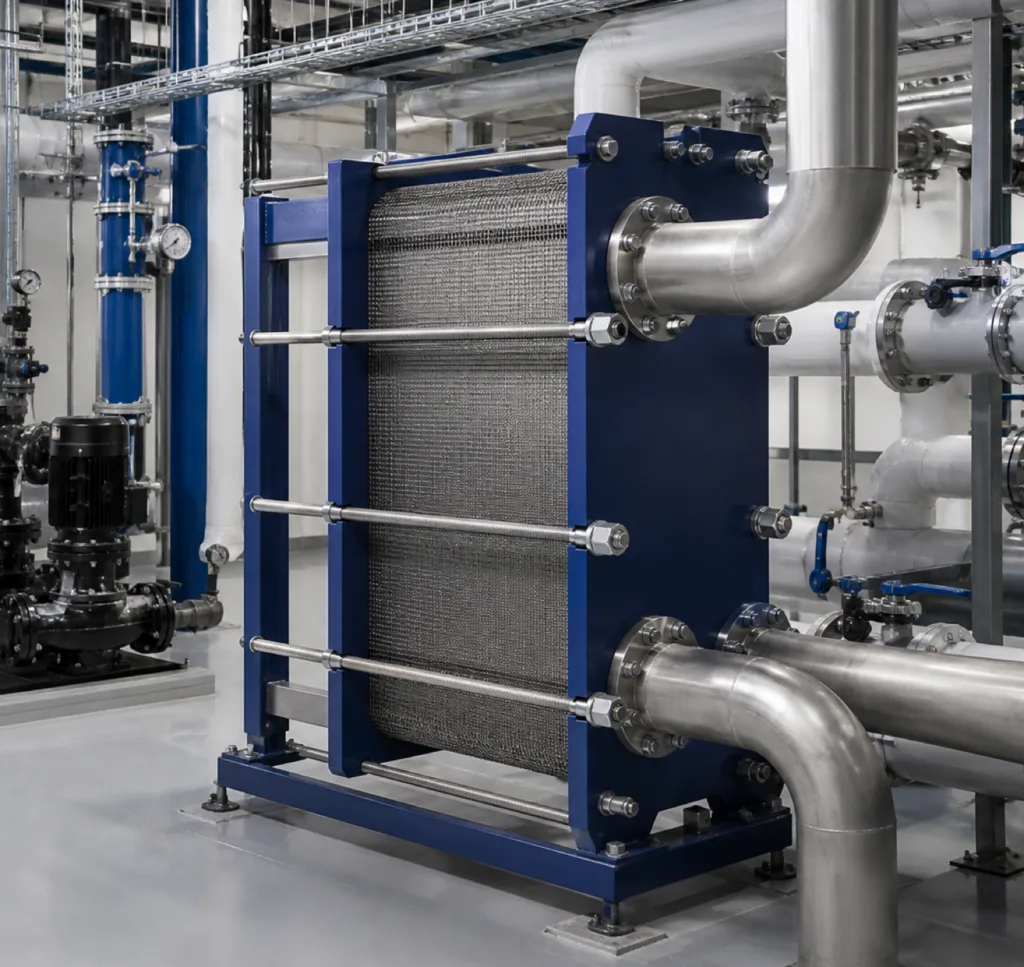
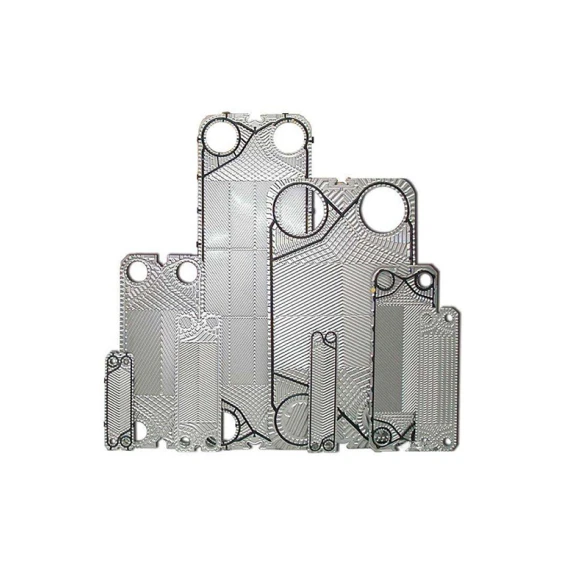
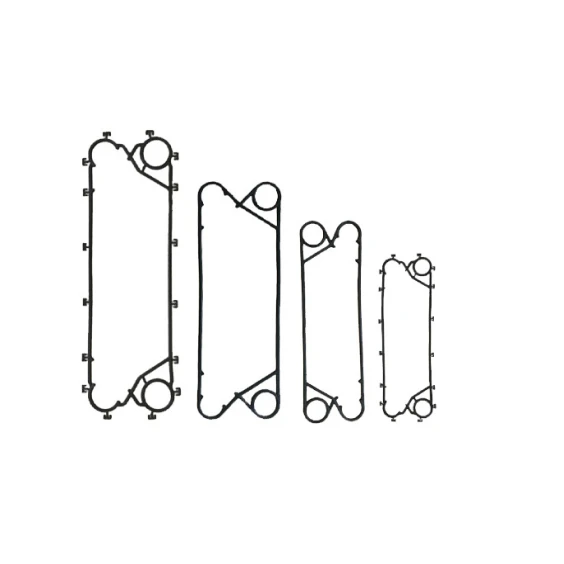
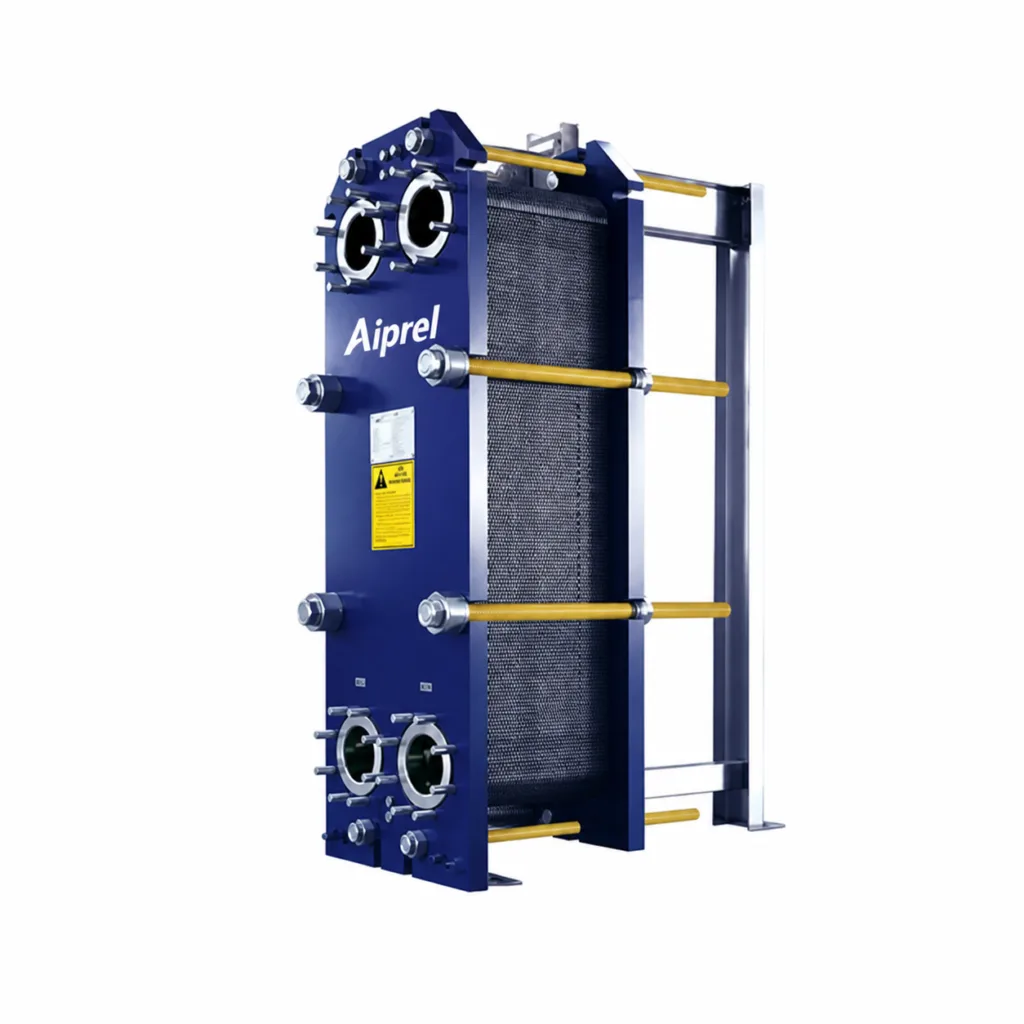
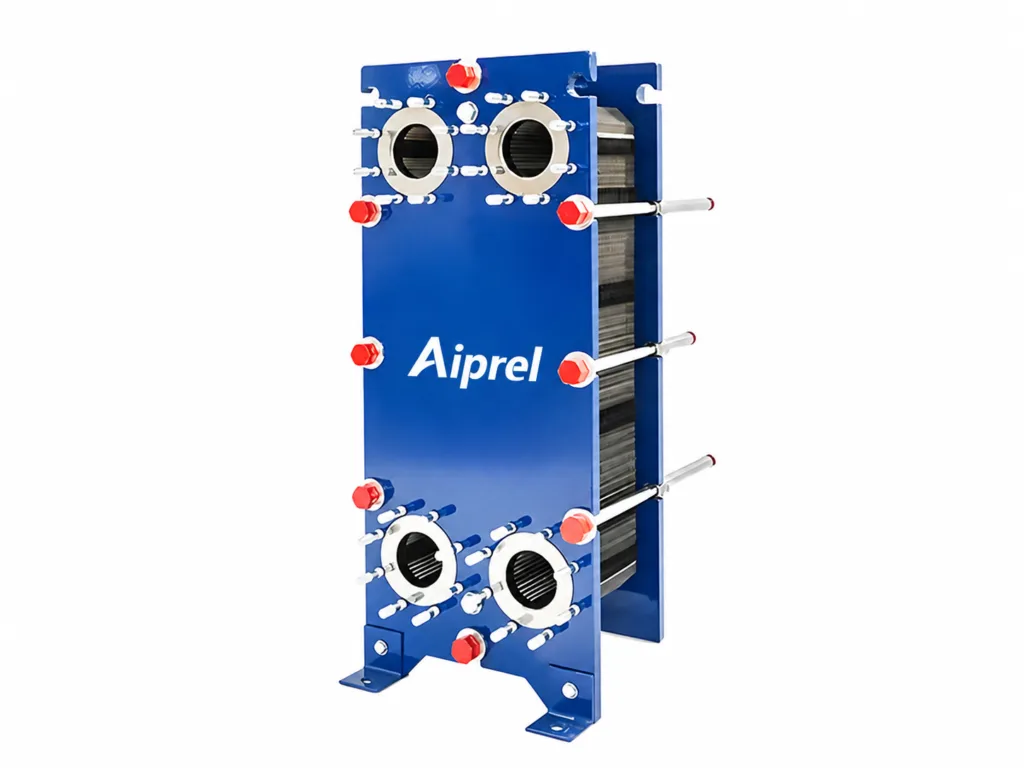
Marine plate heat exchangers are essential components in shipboard cooling, heating, condensing and evaporation systems. By transferring heat efficiently between two fluids, they help maintain stable operating temperatures, improve energy efficiency and protect critical marine equipment.
Thanks to their compact footprint, high thermal efficiency and flexible configuration, marine plate heat exchangers are widely used in propulsion systems, auxiliary engines, freshwater generators, HVAC installations, fuel treatment systems and steam power plants.
1. Main Propulsion System Cooling
A ship’s main propulsion system generates a significant amount of heat during continuous operation. Effective cooling is therefore essential for maintaining engine performance and preventing thermal damage.
Marine plate heat exchangers are commonly used for:
- Main engine jacket water cooling
- Lubricating oil cooling
- Piston cooling water
- Fuel oil cooling or heating
- Central freshwater cooling
- Seawater-to-freshwater cooling
In these applications, the heat exchanger removes excess heat from lubricating oil, jacket water or other process fluids and transfers it to a central cooling-water or seawater circuit.
Compared with conventional shell-and-tube units, plate heat exchangers can provide a smaller installation footprint and close temperature approach. Their removable plate packs also make gasketed models convenient to inspect, clean and expand.
2. Auxiliary Engine and Generator Cooling
Auxiliary engines and generator sets provide electricity for navigation equipment, pumps, lighting, cargo systems and onboard accommodation. Like the main engine, these units require reliable cooling to operate continuously and safely.
Plate heat exchangers can be installed as:
- Auxiliary engine jacket water coolers
- Generator lubricating oil coolers
- Central cooling-system heat exchangers
- Low-temperature and high-temperature water coolers
Efficient heat transfer helps stabilize engine temperature, maintain lubricant performance and reduce the risk of unplanned shutdowns. For vessels with limited engine-room space, their compact construction is particularly valuable.
3. Freshwater Generation
Freshwater generators produce water for crew accommodation, cleaning and selected technical operations. Depending on the system design, a marine plate heat exchanger can operate as an evaporator, condenser or feed-water heater.
During vacuum evaporation, waste heat from the engine jacket-water circuit can be used to evaporate seawater at a relatively low temperature. The resulting vapour is then condensed into fresh water.
Using recovered engine heat can reduce the amount of additional energy required for freshwater production and improve the vessel’s overall energy efficiency.
4. Marine Refrigeration and HVAC Systems
Plate heat exchangers are widely used in marine refrigeration and air-conditioning systems to control temperatures in accommodation areas, control rooms, refrigerated stores and cargo spaces.
Typical applications include:
- Refrigerant evaporators
- Refrigerant condensers
- Chilled-water coolers
- Glycol coolers
- Heat-recovery units
- Cabin and accommodation HVAC systems
- Cold rooms and freezer stores
As an evaporator, the heat exchanger absorbs heat from chilled water, glycol or another secondary fluid. As a condenser, it removes heat from the refrigerant and supports the change from vapour to liquid.
The correct plate material, gasket material and design pressure must be selected according to the refrigerant and operating conditions.
5. Fuel Oil Heating and Treatment
Heavy fuel oil must be maintained at the correct temperature and viscosity before separation, pumping and injection. Marine plate heat exchangers can be used to heat fuel oil with steam, thermal oil or hot water.
Typical duties include:
- Fuel oil preheating
- Fuel oil viscosity control
- Heating before purification
- Diesel oil cooling
- Waste-heat recovery in fuel treatment systems
Maintaining the required fuel temperature helps achieve proper atomization and more stable combustion.
In water-in-fuel emulsion systems, controlled quantities of water can be mixed with the fuel to help reduce combustion temperature and lower NOx emissions, smoke and particulate formation. Sulfur oxide emissions, however, are primarily controlled through low-sulfur fuels or exhaust-gas cleaning systems.
6. Steam and Turbine Power Systems
On vessels powered by steam turbines or equipped with turbo-generators, plate heat exchangers can perform several heating, cooling and condensing duties within the steam cycle.
Applications may include:
- Steam condensation
- Condensate cooling
- Feed-water heating
- Lubricating oil cooling
- Generator cooling
- Waste-heat recovery
Welded or specially designed gasketed plate heat exchangers may be selected for applications involving higher temperatures, pressures or aggressive media.
Reliable heat-transfer equipment helps maintain stable turbine operation, recover thermal energy and improve the efficiency of the ship’s power system.
Selecting a Marine Plate Heat Exchanger
The appropriate heat exchanger should be selected according to:
- Heat-transfer capacity
- Fluid type and concentration
- Inlet and outlet temperatures
- Design pressure
- Allowable pressure drop
- Seawater corrosion resistance
- Fouling tendency
- Maintenance requirements
- Available installation space
- Marine classification requirements
Titanium plates are commonly considered for seawater service because of their corrosion resistance. Stainless steel and other alloys may be suitable for freshwater, lubricating oil, glycol and selected fuel applications. Gasket materials must also be compatible with the operating temperature and media.
Marine Heat Exchanger Solutions for Your Vessel
We supply marine plate heat exchangers for engine cooling, lubricating oil cooling, freshwater generation, refrigeration, HVAC, fuel treatment and steam-system applications.
To receive a heat exchanger selection or quotation, please provide the following information:
- Fluid names on both sides
- Inlet and required outlet temperatures
- Flow rates
- Operating and design pressures
- Allowable pressure drop
- Plate and gasket material requirements
- Vessel type and application
- Classification-society requirements, if applicable
Contact us to discuss a marine plate heat exchanger solution for your vessel or shipbuilding project.