Plate Heat Exchangers for Oil & Gas
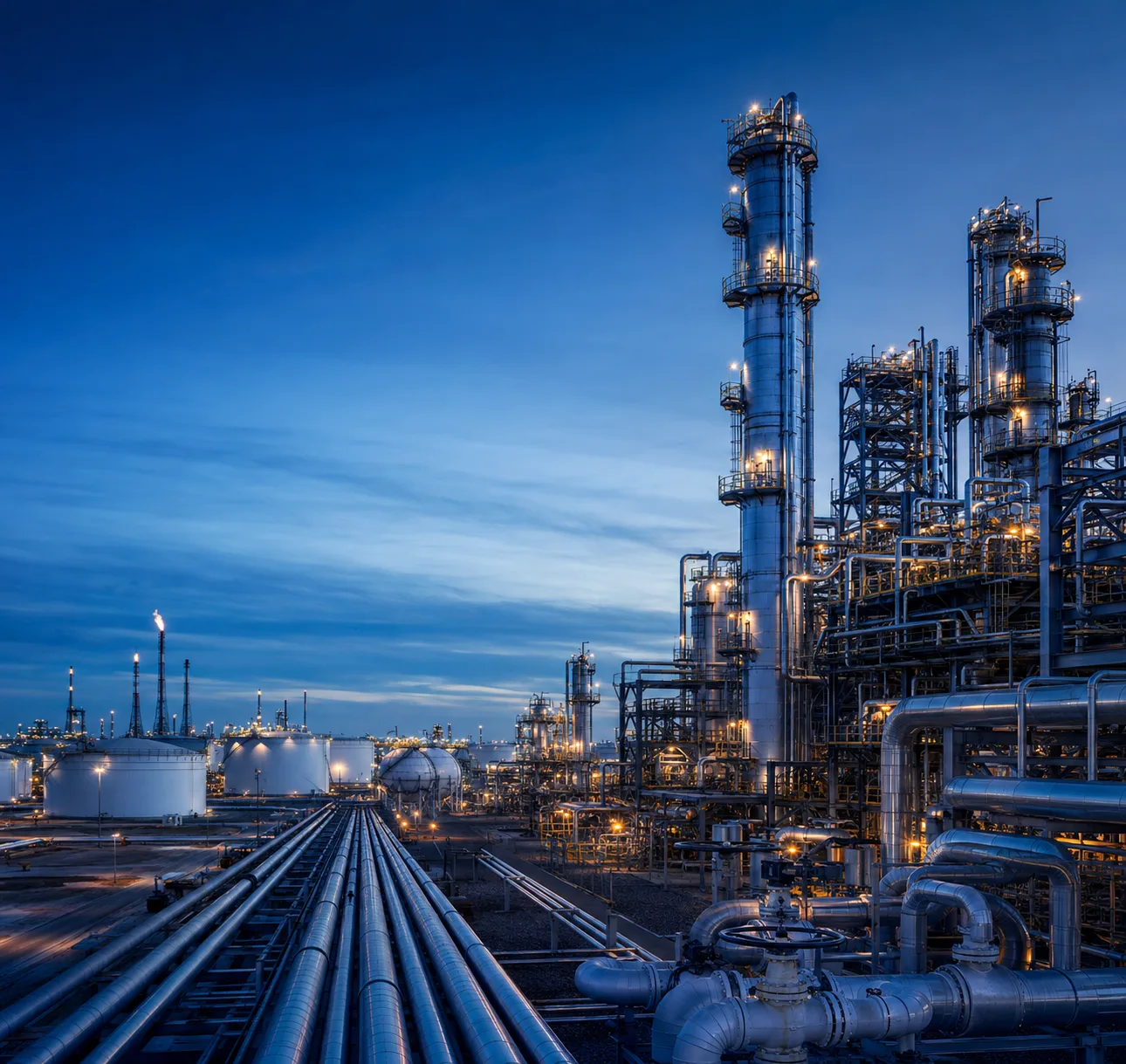
Aiprel supplies efficient plate heat exchangers for oil and gas processing, including oil cooling, gas cooling, condensation and refinery heat recovery.

Engineered for Demanding Oil & Gas Conditions
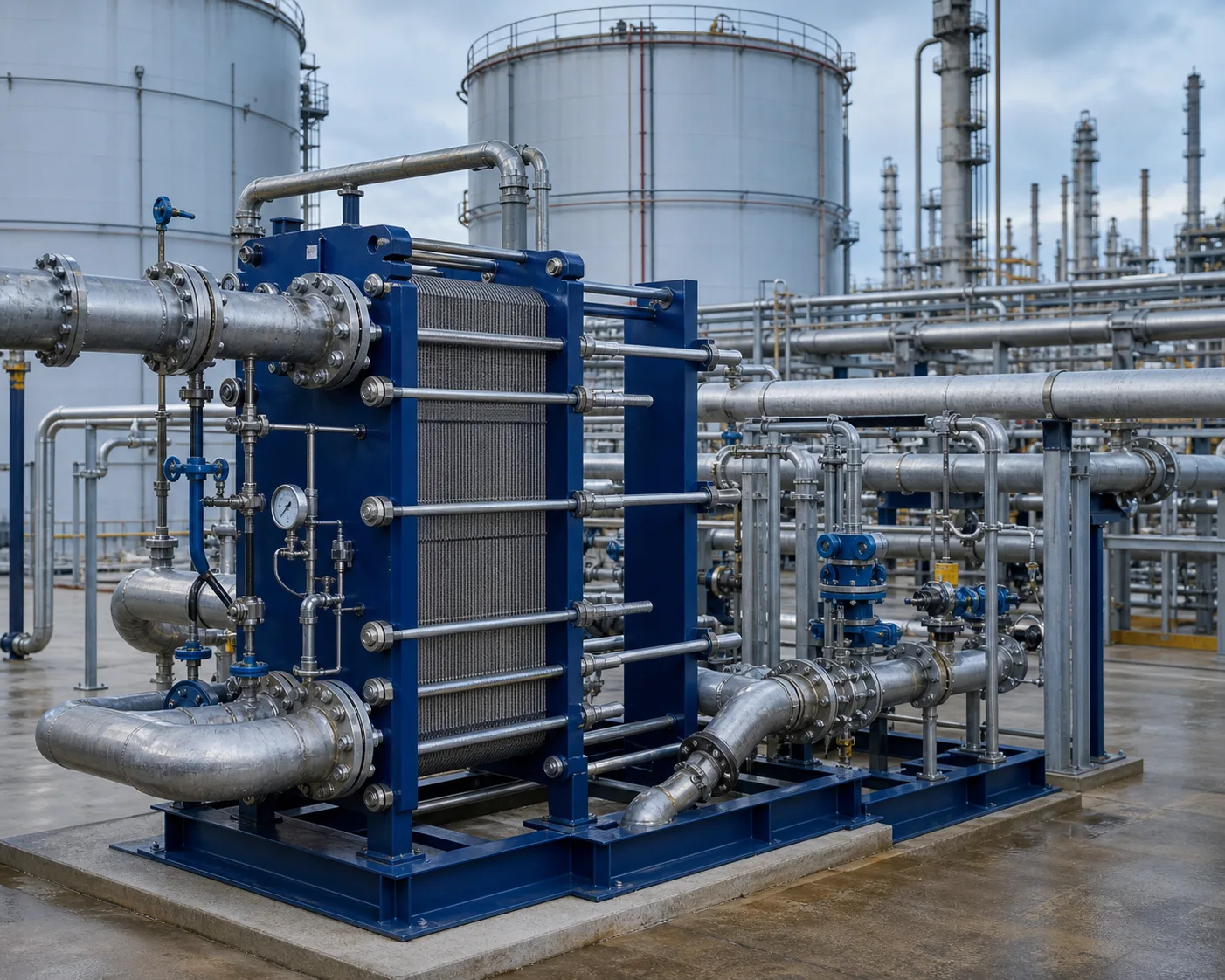
Oil and gas processes place demanding requirements on heat transfer equipment, from corrosive media and temperature fluctuations to fouling and strict pressure-drop limits. Aiprel selects the plate pattern, channel configuration, construction type, plate material and gasket compound according to the actual process conditions. Gasketed, semi-welded and fully welded plate heat exchangers are available to balance thermal performance, fluid compatibility, operational reliability and maintenance access, helping each system deliver stable heat transfer throughout its service life.
Where Plate Heat Exchangers Are Used in Oil and Gas

Upstream oil and gas production
Plate heat exchangers provide efficient heating and cooling for crude oil separation, produced-water treatment and offshore cooling loops. Their compact design is particularly valuable where installation space is limited.
Midstream Gas Processing and Transportation
In gas processing and transportation facilities, plate heat exchangers control the temperature of natural gas, glycol and condensate while supporting compressor cooling and closed-loop cooling-water systems.
Refining and Petrochemical Processing
Refineries use plate heat exchangers to heat or cool crude oil, kerosene, diesel, fuel oil and other process streams while maintaining precise temperatures throughout different production stages.
Crude Oil and Produced Water Treatment
Efficient crude oil heating improves separation performance, while produced-water cooling prepares the stream for treatment, disposal or reinjection and enables useful process heat to be recovered.
Equipment and Utility Cooling
Plate heat exchangers maintain stable operating temperatures for compressor lube oil, turbines, engines, generators and utility-water circuits, helping protect critical equipment from overheating during continuous operation.
Process Heat Recovery and Energy Efficiency
Heat recovered from hot products or process streams can be used to preheat colder feeds, reducing steam and fuel consumption while improving the overall energy efficiency of oil and gas facilities.
Related Products
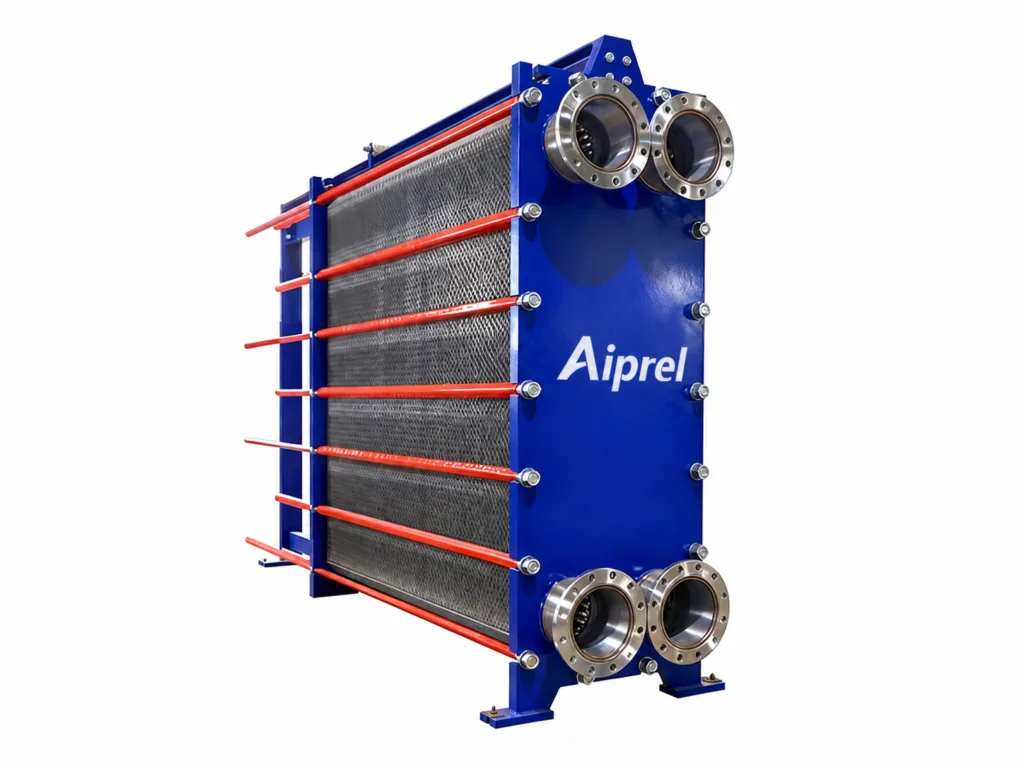
Wide-Gap Plate Heat Exchanger
Wide-Gap plate heat exchanger is a removable plate-and-frame heat exchanger with larger plate spacing and specially designed flow passages.
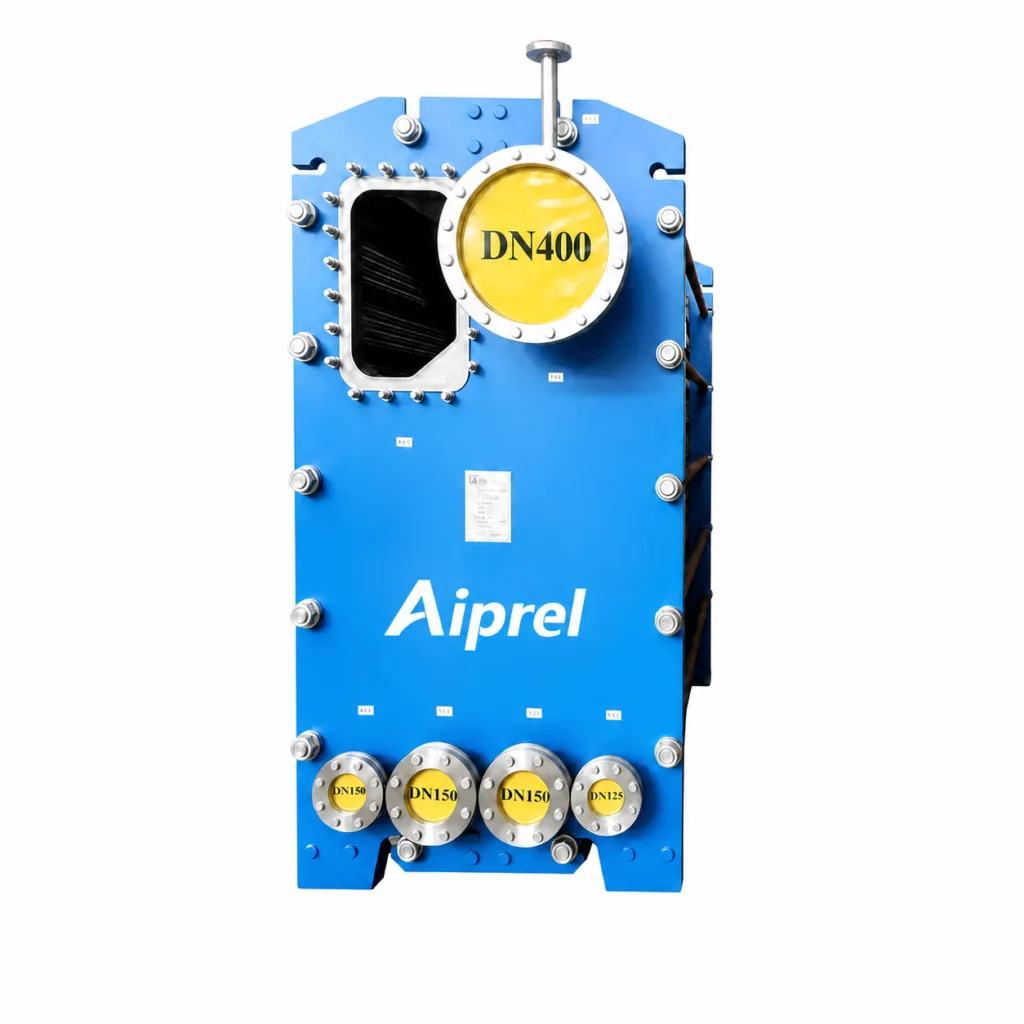
Plate Evaporator
Plate evaporators are especially effective for free-flowing liquids with low to moderate viscosity and relatively uniform boiling behavior.They may also be used for selected higher-concentration products, provided that the final viscosity and fouling characteristics remain compatible with the plate channel design.
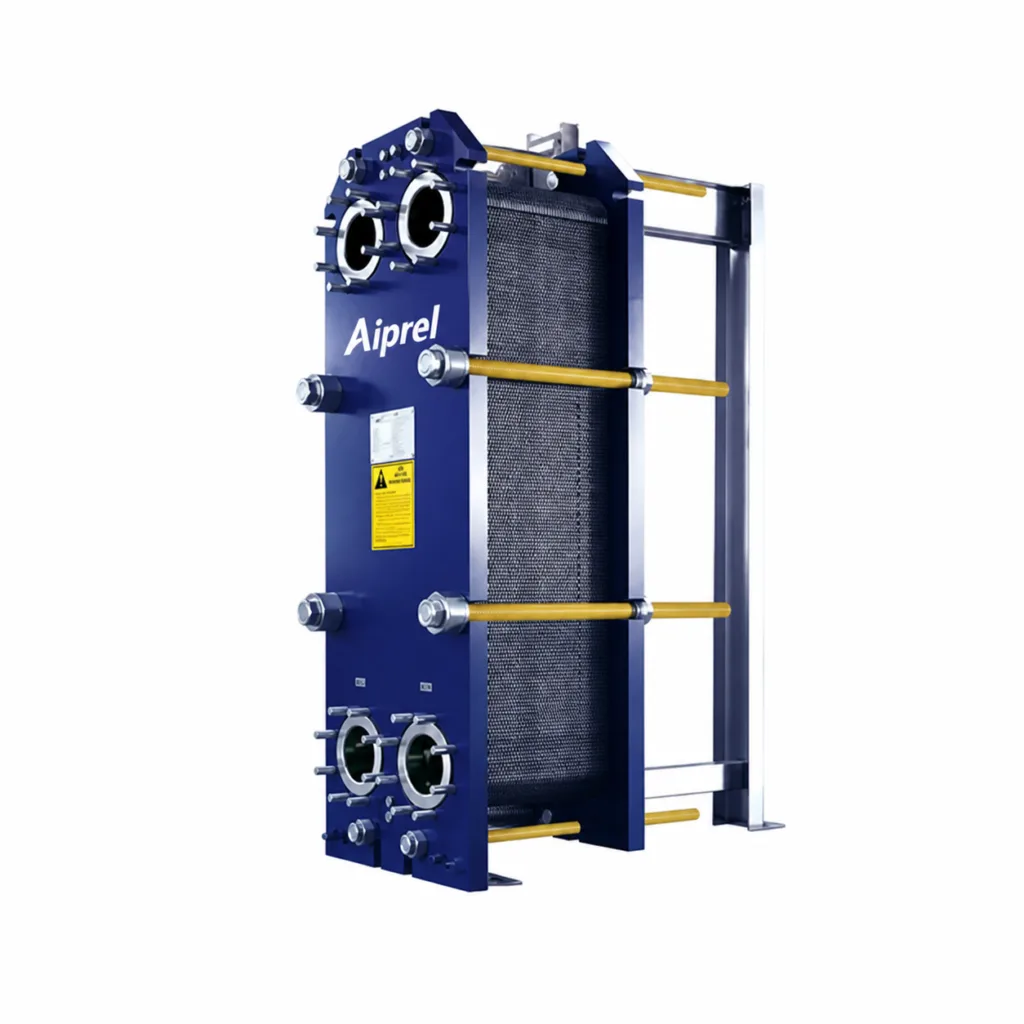
Gasketed Plate Heat Exchanger
Aiprel gasketed plate heat exchangers deliver efficient heat transfer, compact construction, flexible capacity and easy cleaning for industrial applications.
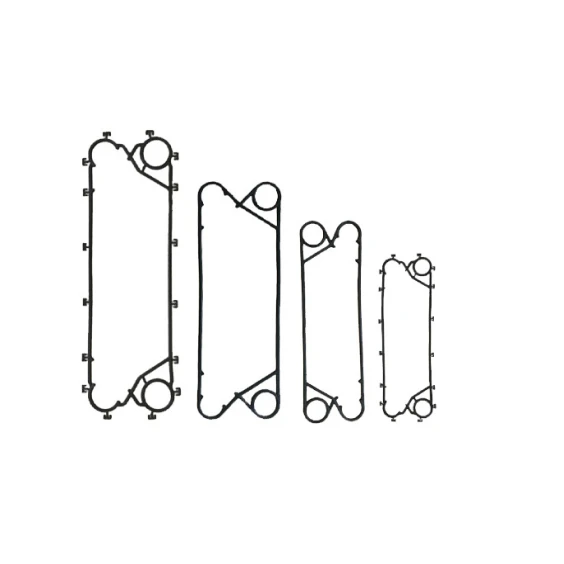
Heat Exchanger Gaskets
Aiprel plate heat exchanger gaskets provide reliable sealing and correct fluid distribution within gasketed plate-and-frame heat exchangers.