Plate Heat Exchangers for Data Center Cooling
Aiprel plate heat exchangers support data center liquid cooling, CDU integration, free cooling, chilled-water isolation and waste heat recovery.

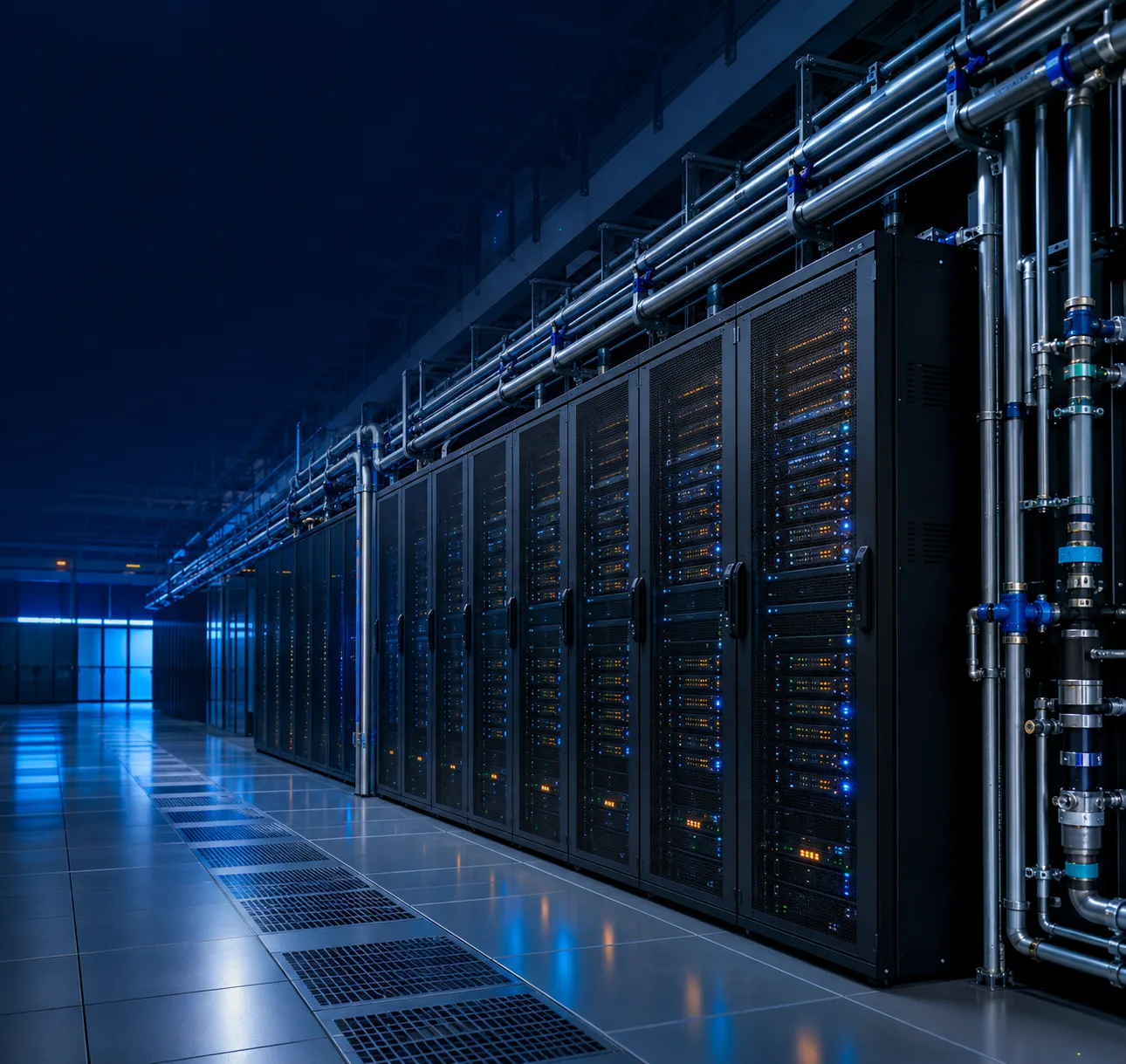
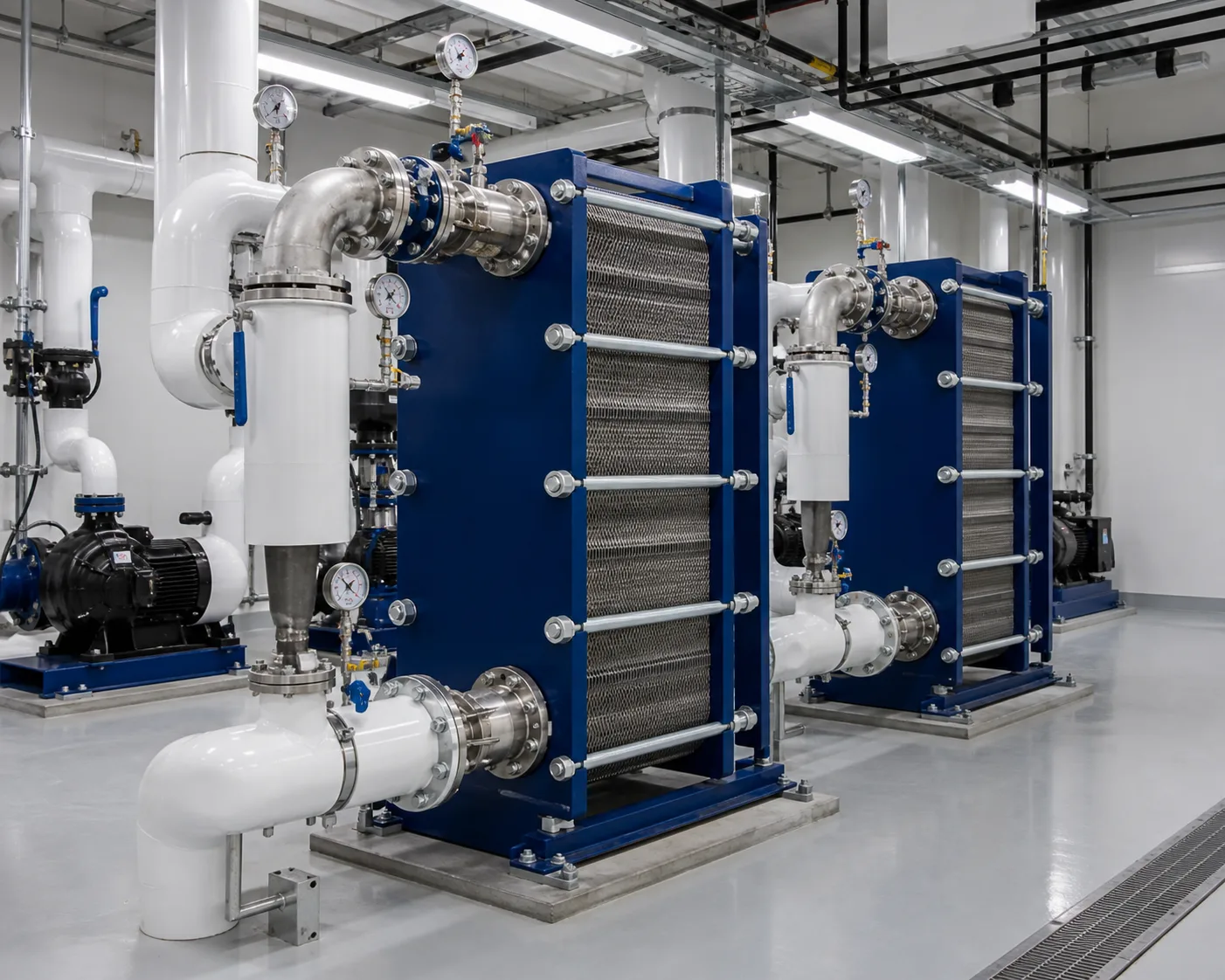
Designed for Reliability, Efficiency and Scalability
Data center cooling equipment must operate reliably through changing server loads while maintaining controlled temperature, flow and pressure drop. Aiprel configures the plate pattern, number of plates, connection size, plate material and gasket compound around the required heat load and cooling medium. Serviceable gasketed construction supports inspection, cleaning and future capacity adjustment, helping operators plan maintenance and system expansion with less disruption.
Where Plate Heat Exchangers Support Data Center Cooling

Liquid Cooling Loop Isolation
A Plate heat exchangers transfer heat between the server-side coolant loop and the facility-water loop while keeping the fluids physically separated, helping protect sensitive IT cooling circuits from external contamination.
Water-Side Free Cooling
When outdoor conditions are suitable, a plate heat exchanger can transfer heat to a cooling tower or dry-cooler loop with reduced chiller operation, lowering mechanical cooling demand and energy consumption.
High-Density Server Cooling
Efficient liquid-to-liquid heat transfer supports higher rack power densities and concentrated server loads, helping the cooling system remove heat effectively where conventional room-level air cooling alone may be insufficient.
Data Center Heat Recovery
Heat captured from a data center water loop can be transferred to a separate heating circuit for compatible building or district-heating uses, turning recoverable server heat into a useful energy source.
Modular Expansion and Maintenance
The capacity of a gasketed plate heat exchanger can be adapted within the frame limits by changing the plate pack, while openable construction provides access for inspection, cleaning and component replacement.
Immersion Cooling Heat Rejection
A plate heat exchanger transfers heat from the dielectric-fluid circuit to a separate facility-water loop while keeping the two fluids isolated. This helps maintain stable immersion-bath temperatures and provides efficient heat rejection for high-density computing loads.
Related Products
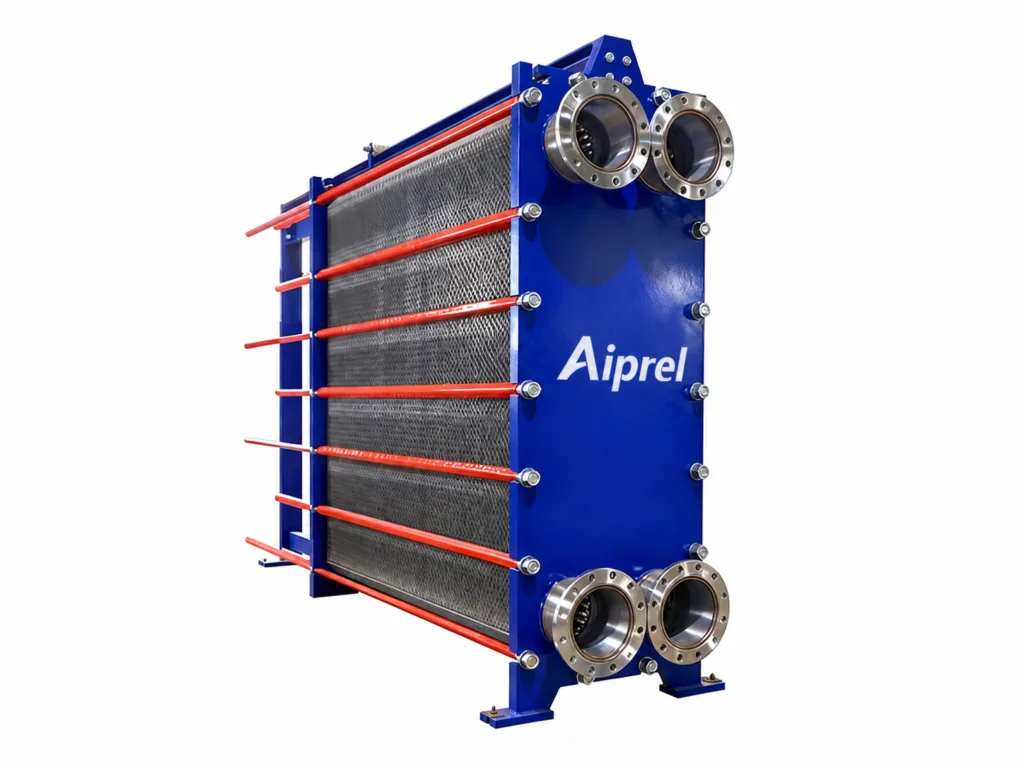
Wide-Gap Plate Heat Exchanger
Wide-Gap plate heat exchanger is a removable plate-and-frame heat exchanger with larger plate spacing and specially designed flow passages.
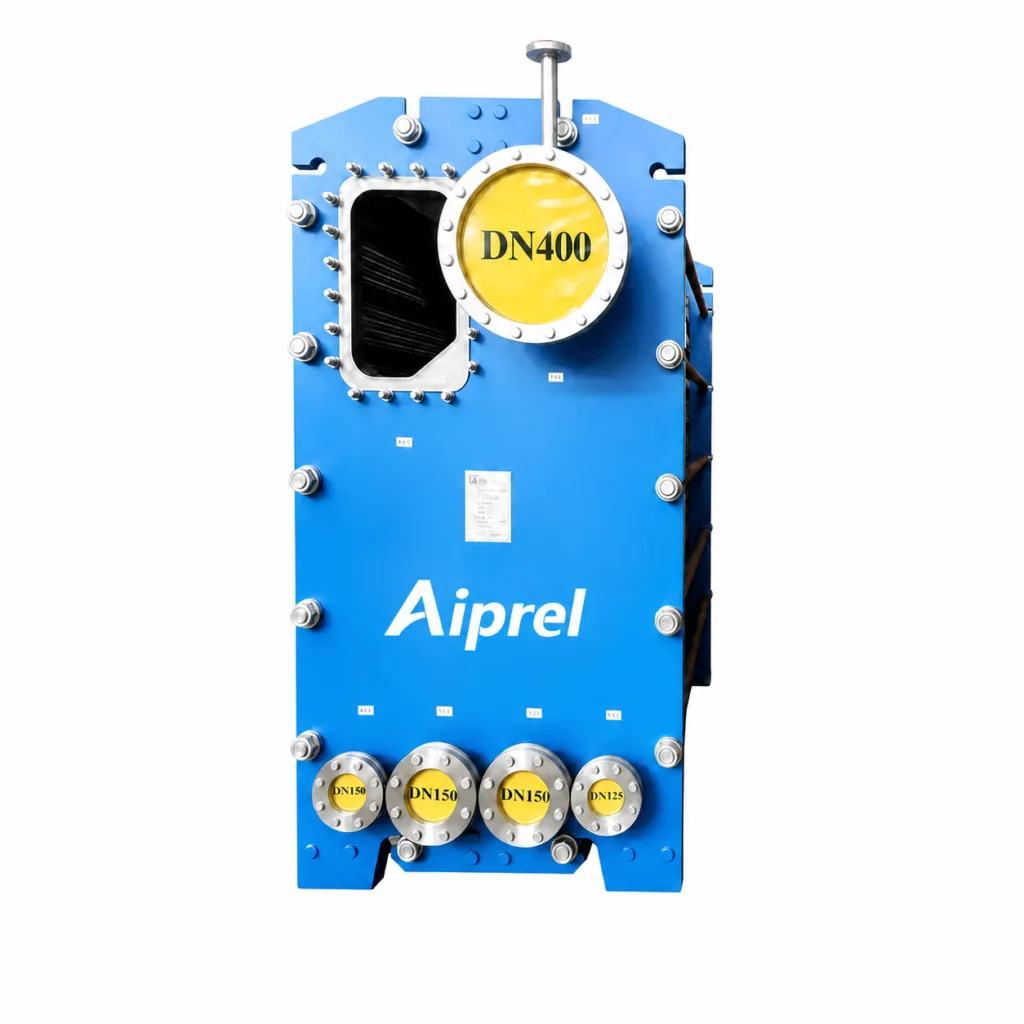
Plate Evaporator
Plate evaporators are especially effective for free-flowing liquids with low to moderate viscosity and relatively uniform boiling behavior.They may also be used for selected higher-concentration products, provided that the final viscosity and fouling characteristics remain compatible with the plate channel design.
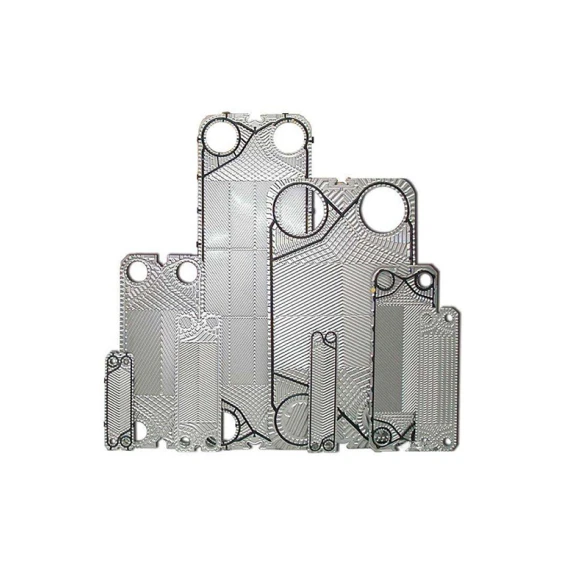
Heat Exchanger Plates
Aiprel plate heat exchanger plates are precision-formed metal heat transfer components designed for gasketed plate-and-frame heat exchangers.
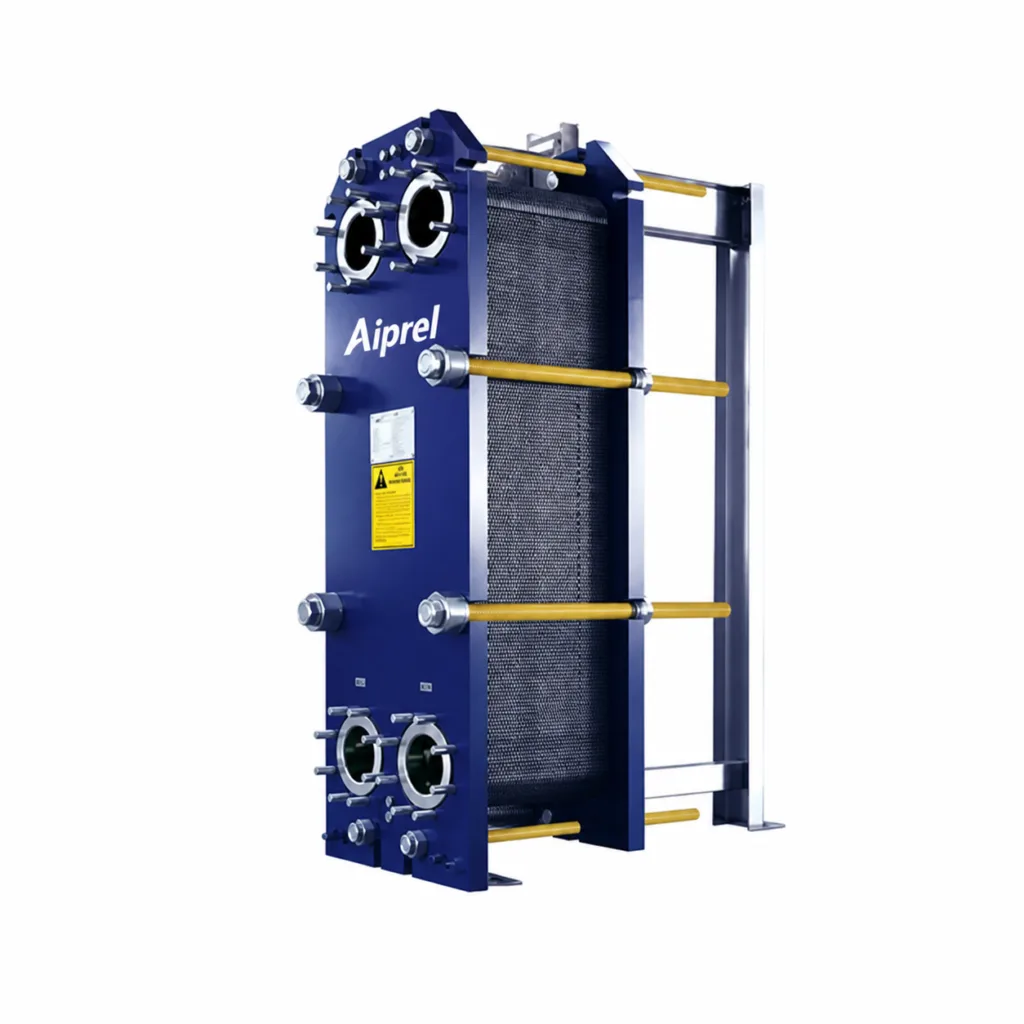
Gasketed Plate Heat Exchanger
Aiprel gasketed plate heat exchangers deliver efficient heat transfer, compact construction, flexible capacity and easy cleaning for industrial applications.